
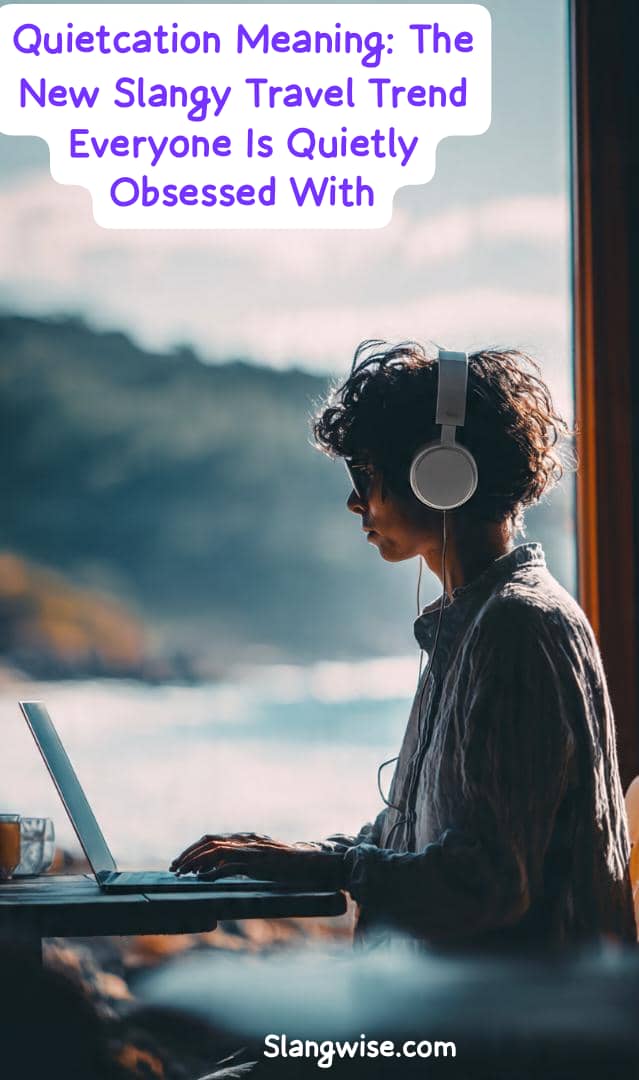
- A quietcation is a vacation built around peace, silence, and low stimulation.
- It is often linked to digital detoxing, nature, slow travel, and calm spaces rather than packed itineraries.
- The word started appearing online years ago, but it surged in popularity as a major travel trend in 2025.
- A quietcation is not the same as “quiet vacationing,” which means secretly working while away from the office.
Table of Contents
What does quietcation mean?
A quietcation is a vacation designed to help you slow down, unplug, and enjoy peace instead of noise, pressure, and constant activity. Simply, it is the kind of trip where the point is not to “do everything,” but to feel rested, grounded, and mentally lighter.
People use the word for stays in remote places, quiet resorts, nature escapes, and even low-key home breaks that feel peaceful enough to count as a reset.
What makes this term interesting is that it is not just about being physically away from home. It is about creating a calmer mood on purpose. That could mean fewer notifications, fewer people, fewer plans, and more space to breathe.
The whole idea fits the way a lot of travelers are moving right now: away from hectic, content-chasing trips and toward slower, more intentional escapes.
READ ALSO: Mankeeping Meaning Explained: The New Relationship Slang That’s Calling Out Emotional Overload
Why people are talking about it now
Quietcation feels fresh because it taps into something many people are craving: silence. Travel coverage in 2025 described it as a major wellness trend, with people choosing quiet hotels, nature stays, digital detox experiences, and slower travel styles that feel restorative instead of exhausting.
I think that is why the term spread so fast. We have all gotten used to noisy lives, noisy apps, noisy feeds, and noisy expectations. A quietcation is basically the anti-chaos trip.
It says, “No, I do not need a jam-packed itinerary right now. I need calm.” That emotional appeal is a big reason the word stuck.
How I would use quietcation in conversations
You can use quietcation when talking about a trip, a stay, or even a personal reset that centers peace.
Here are a few natural examples:
- “After that stressful month, I need a quietcation somewhere with no city noise.”
- “Her idea of fun is a quietcation in the mountains with no phone signal.”
- “That resort is perfect for a quietcation because it is built for calm and privacy.”
- “I am not doing a party trip this year; I want a quietcation.”
That is the vibe. It is casual, modern, and a little playful, but it still clearly means “peaceful vacation.” It can sound stylish in travel content, wellness posts, captions, and everyday speech.
SEE ALSO: What Does Blue Dot Fever Mean in Slang? The Concert Word Everyone Is Suddenly Obsessed With
Where quietcation comes from
Quietcation is a blend of quiet and vacation, which makes it easy to understand at first glance. The term has earlier roots online, but it really took off when the modern meaning started spreading widely in 2025.
In current usage, it can describe a trip away from home or a staycation-style break, as long as the main goal is silence, rest, and a break from digital overload.
That is why it feels so “now.” It reflects the bigger culture shift toward slow living, mindfulness, and quieter forms of luxury. Even the broader travel conversation has been leaning toward silent experiences, calm spaces, and low-distraction getaways. Quietcation sits right in that lane.
Slangwise Note on Quietcation
Here is the way I would remember it: a quietcation is not about being bored. It is about being intentional. It is the kind of trip you take when your mind needs less noise and your body needs a softer pace. If a vacation gives you rest instead of more exhaustion, that is the quietcation spirit.
I like quietcation because it feels useful, modern, and instantly understandable. Some slang words are funny but vague. This one is almost visual.
You hear it and immediately picture a cabin, a beach, a mountain lodge, a silent retreat, or a hotel room where the biggest activity is finally sleeping well. It is one of those terms that tells you a lot without needing a long explanation.
If you are writing about travel, wellness, lifestyle, or Gen Z-adjacent culture, this word is gold. It is short, catchy, and flexible enough to fit social captions, blog posts, and trend explainers. That is usually how slang wins: it captures a mood people already feel.
DISCOVER: 68 Most Popular TikTok Slang Words of 2026 – Quick Meaning and Examples
Is it the same as a staycation?
Not exactly. A staycation usually means staying home or close to home for your break. A quietcation can happen at home, but it can also happen anywhere else, as long as the experience is peaceful and low-key. The real focus is not the location. The real focus is the energy of the trip.
Conclusion
Quietcation is basically the slang of peaceful escape. It means a vacation centered on silence, rest, and a break from the loud, overbooked rhythm of daily life.
Whether it happens in a remote resort, a nature cabin, or even a super calm staycation at home, the whole point is the same: recharge without the noise. And honestly, that is a trend a lot of people understand immediately.
FAQs
Yes. It is being used online and in travel coverage to describe a calm, quiet, restorative vacation.
Not always, but it often includes reduced screen time, digital detox habits, or fewer online distractions.
Yes. The term can apply to a stay-at-home reset if the main feeling is peace, silence, and low stimulation.
No. Quiet vacationing usually refers to secretly working while away from the office, while quietcation is about rest and calm.