
You might understand every word in a true crime podcast and still feel completely lost when the host starts talking about an unsub, an MO, or a smoking gun. These expressions have meanings that go far beyond ordinary conversation.
I have noticed something interesting while studying internet language and the expressions people use in different online communities. Every community develops its own vocabulary, and true crime enthusiasts are no exception.
Imagine listening to a documentary when the narrator mentions a cold case, a person of interest, and a possible red herring. Then you open the comments, and someone calls the person an unsub while another commenter insists there is a smoking gun in the evidence.
Suddenly, following the conversation feels like learning another language.
That is exactly why I put this guide together. I have selected 30 expressions that appear in true crime documentaries, podcasts, investigative reporting, and online discussions. Some are genuine slang, others are professional terms, and several have become familiar shorthand among true crime fans.
By the end, you will understand what these expressions mean, how people use them, and when an ordinary-sounding word carries a much more specific meaning in a true crime conversation.
30 True Crime Slang Terms and What They Really Mean
Let’s break these expressions down. I have included simple explanations and fresh examples so you can recognise them naturally the next time they appear in a documentary, podcast, or online conversation.
1. Cold Case
A cold case is an investigation that has stalled because investigators have no promising new leads or evidence to pursue at that time. It does not necessarily mean the investigation has officially ended.
True crime fans use this expression when discussing unresolved cases, especially older investigations that attract renewed public attention.
Example: “That new documentary has brought attention back to a cold case that remained unresolved for decades.”

2. Person of Interest (POI)
A person of interest is someone investigators want to examine or question in connection with an investigation. Importantly, the expression does not automatically mean that the person is guilty, charged, or even formally considered a suspect.
I consider this one of the most important expressions to understand because online discussions sometimes treat a person of interest as though a conviction has already happened. Those are very different things.
Example: “The news report identified someone as a person of interest, but no charges had been announced.”
3. Modus Operandi (MO)
Modus operandi is a Latin expression meaning method of operation. In crime reporting, MO refers to the general method or pattern associated with how a crime is carried out.
True crime fans usually shorten the expression to MO. It appears frequently when investigators or commentators discuss similarities between separate cases.
Example: “The investigators noticed similarities in the MO of the two cases.”
4. Signature
A signature refers to a distinctive behaviour or feature associated with an offender that is considered separate from what is necessary to commit the crime.
This is different from MO. MO concerns the general method, while a signature concerns a distinctive additional behaviour. In investigative discussions, however, interpretations require care because similarities alone do not prove that the same person was responsible.
Example: “The documentary discussed whether that recurring detail represented a genuine signature or simply a coincidence.”

5. Victimology
Victimology is the study of victims, including their backgrounds, circumstances, experiences, and the factors relevant to understanding a particular crime.
When I encounter this term in investigative discussions, I pay attention because it reminds readers that understanding a case involves more than concentrating on a suspect. The victim’s life, identity, and circumstances matter too.
Example: “The documentary included victimology to explain the wider circumstances surrounding the investigation.”
6. Beat
In policing, a beat is an area assigned to an officer for regular patrol duties. It is not exclusively a true crime expression, but it frequently appears in police reports, news coverage, and crime documentaries.
Example: “The officer had worked that neighbourhood beat for several years.”

7. RICO Case
RICO stands for the Racketeer Influenced and Corrupt Organizations Act, a United States federal law used in certain cases involving patterns of racketeering activity connected to an enterprise.
You will often hear about RICO cases when documentaries examine organised criminal networks or complex investigations involving multiple individuals and alleged unlawful activities.
Example: “The investigation eventually developed into a major federal RICO prosecution.”
Read more about RICO prosecutions through the US Department of Justice.

8. Primary Source
A primary source is original information or material connected to an event or investigation. Examples include court records, official documents, original interviews, and direct statements.
This expression is particularly important in true crime communities because not every viral post or dramatic video contains reliable information. I always encourage readers to distinguish original documentation from somebody else’s interpretation of it.
Example: “Before accepting that theory, I would rather examine the original court documents as a primary source.”
9. Chain of Custody
Chain of custody refers to the documented history of evidence, including who collected it, who handled it, and how it was transferred or stored.
It matters because investigators and courts need to establish that evidence has been properly accounted for throughout the relevant process.
Example: “The documentary raised questions about the chain of custody surrounding an important piece of evidence.”
NIST explains the chain of custody concept here.

10. Copycat Crime
A copycat crime is an incident believed to have been influenced by an earlier, widely publicised crime.
This expression often appears when commentators discuss the influence of media coverage and public attention on subsequent incidents. However, similarity alone does not establish a connection.
Example: “Investigators considered whether the new incident was connected to an earlier case or was simply a similar event.”
11. Forensic Evidence
Forensic evidence is scientific information examined in connection with an investigation. It can include fingerprints, DNA findings, digital records, and other materials examined by qualified specialists.
Although forensic evidence is not slang, it is an essential expression in true crime discussions. You will encounter it in almost every serious documentary involving scientific investigation.
Example: “The new forensic evidence gave investigators another avenue to examine.”

12. Snitch
Snitch is informal, often disapproving slang for someone who reports another person’s activities to authorities or provides information about them.
In legal and investigative reporting, the more neutral word is usually informant. The distinction matters because snitch carries a judgemental tone that informant does not necessarily have.
Example: “Online commenters called the witness a snitch, although the official report described the person as an informant.”
13. Perp
Perp is an informal shortening of perpetrator. It refers to a person responsible for committing an offence.
You will sometimes hear it in crime dramas, television discussions, and online case conversations. Be careful, though: calling someone a perp does not establish guilt, especially when the case remains unresolved.
Example: “The podcast host explained that investigators had not yet identified the perp.”
14. Ballistics
Ballistics is the scientific field concerned with the motion and behaviour of projectiles. In true crime reporting, the term generally appears when discussing forensic examination of firearm related evidence.
Example: “The documentary explained that ballistics evidence formed part of the investigation.”
15. Red Flag
A red flag is a warning sign that something deserves attention or closer examination.
This is one of the easiest expressions to recognise because it is also widely used in everyday conversations, relationships, workplace discussions, and online debates.
In true crime discussions, it usually describes something that appears suspicious or inconsistent.
Example: “The conflicting statements became a red flag for people following the investigation.”
16. Murderabilia
Murderabilia is a controversial term for collectibles or merchandise associated with notorious crimes or criminals.
The expression frequently appears in discussions about the ethics of true crime fandom, especially when people debate whether commercialising notorious cases is respectful to victims and their families.
Example: “The discussion about murderabilia raised questions about where true crime interest becomes exploitation.”

17. Lockdown
A lockdown is a security measure that restricts movement within a particular location during a safety concern or emergency.
In true crime documentaries and breaking news coverage, you might hear that a school, building, or other location was placed under lockdown.
Example: “The school announced a lockdown while authorities assessed the reported security concern.”
18. Armchair Detective
An armchair detective is someone who follows investigations from home and tries to understand the available information through documentaries, news reports, podcasts, and online discussions.
This expression is especially popular among true crime fans. It can be playful, but I think it also deserves an important reminder: following a case online does not make someone a qualified investigator.
Example: “The armchair detectives were debating the podcast’s new timeline in the comments.”
19. Rabbit Hole
A rabbit hole is a subject or line of investigation that keeps drawing you into more information than you originally intended to explore.
For true crime fans, one documentary can lead to another episode, an old newspaper article, a court report, and eventually an entire evening of research.
Example: “I went down a rabbit hole researching that documentary and discovered several interesting background details.”

20. Smoking Gun
A smoking gun is a particularly strong piece of evidence that directly supports an explanation or theory.
It is a figurative expression, not necessarily a reference to a literal firearm. In true crime conversations, it describes the kind of evidence people believe could resolve an important question.
Example: “The newly released recording was described by commentators as the smoking gun in the case.”
21. Red Herring
A red herring is a misleading clue or piece of information that distracts attention from the main issue.
The expression is particularly common in mysteries, investigative documentaries, and online theories. It is useful when a detail initially appears important but turns out to be irrelevant.
Example: “That rumour about the missing document turned out to be a red herring.”
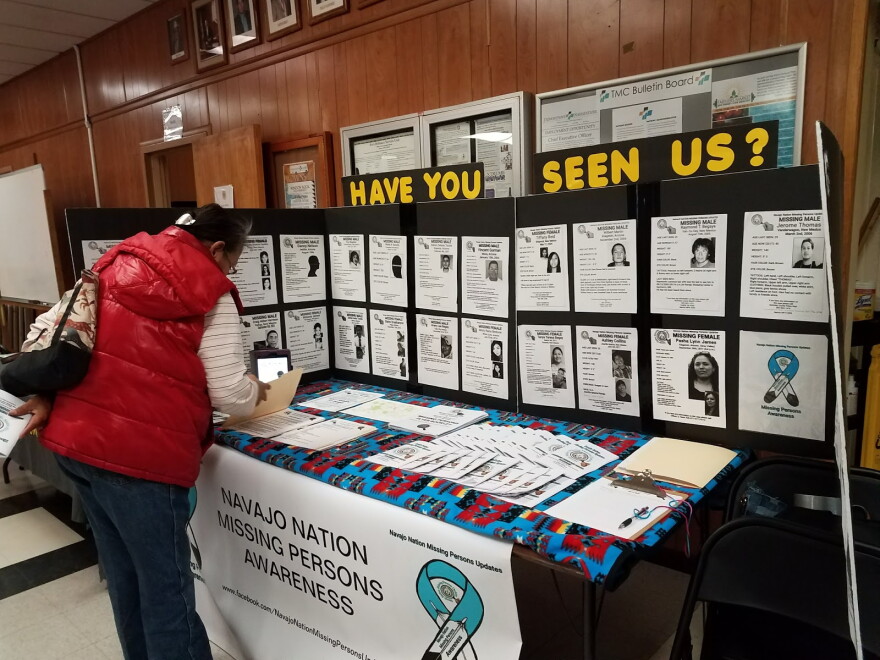
22. Tip Line
A tip line is an official communication channel through which members of the public can share potentially useful information with investigators.
It may be a telephone number or another approved reporting service. The phrase frequently appears when authorities request public assistance with an investigation.
Example: “Authorities reopened a public tip line after announcing a review of the case.”

23. Unsub
Unsub is short for unidentified subject. The expression became particularly familiar to television audiences through crime investigation dramas and is sometimes used informally by true crime fans.
It generally describes an unidentified person being investigated or discussed in a criminal case. It is worth remembering that its meaning and formal usage can vary across investigative settings.
Example: “The television episode followed investigators as they tried to identify the unsub.”
24. John or Jane Doe
John Doe and Jane Doe are placeholder names used in the United States when a person’s identity is unknown or withheld.
In true crime reporting, the expressions can refer to unidentified individuals or, in some situations, people whose names are being withheld in legal proceedings.
Example: “The unidentified individual was initially referred to as John Doe in the official records.”

25. Alibi
An alibi is an explanation or evidence suggesting that someone was somewhere else when an incident occurred.
It is one of the most frequently mentioned terms in detective stories and true crime coverage. An alibi may become an important part of an investigation, although its reliability must be examined rather than simply assumed.
Example: “The documentary spent considerable time examining the witness statements supporting the person’s alibi.”
26. Motive
Motive refers to the reason or suspected reason behind an individual’s actions.
In true crime discussions, people often use the word when trying to understand why a particular incident might have occurred. However, investigators can examine evidence without necessarily establishing a clear motive.
Example: “The series explored several possible motives but did not present any as proven facts.”
27. COD
COD stands for cause of death. It is an abbreviation commonly encountered in medical reports, official records, and true crime discussions.
Do not confuse it with manner of death, which is a separate classification. The two expressions are not interchangeable.
Example: “The podcast explained that the official COD had not yet been established.”
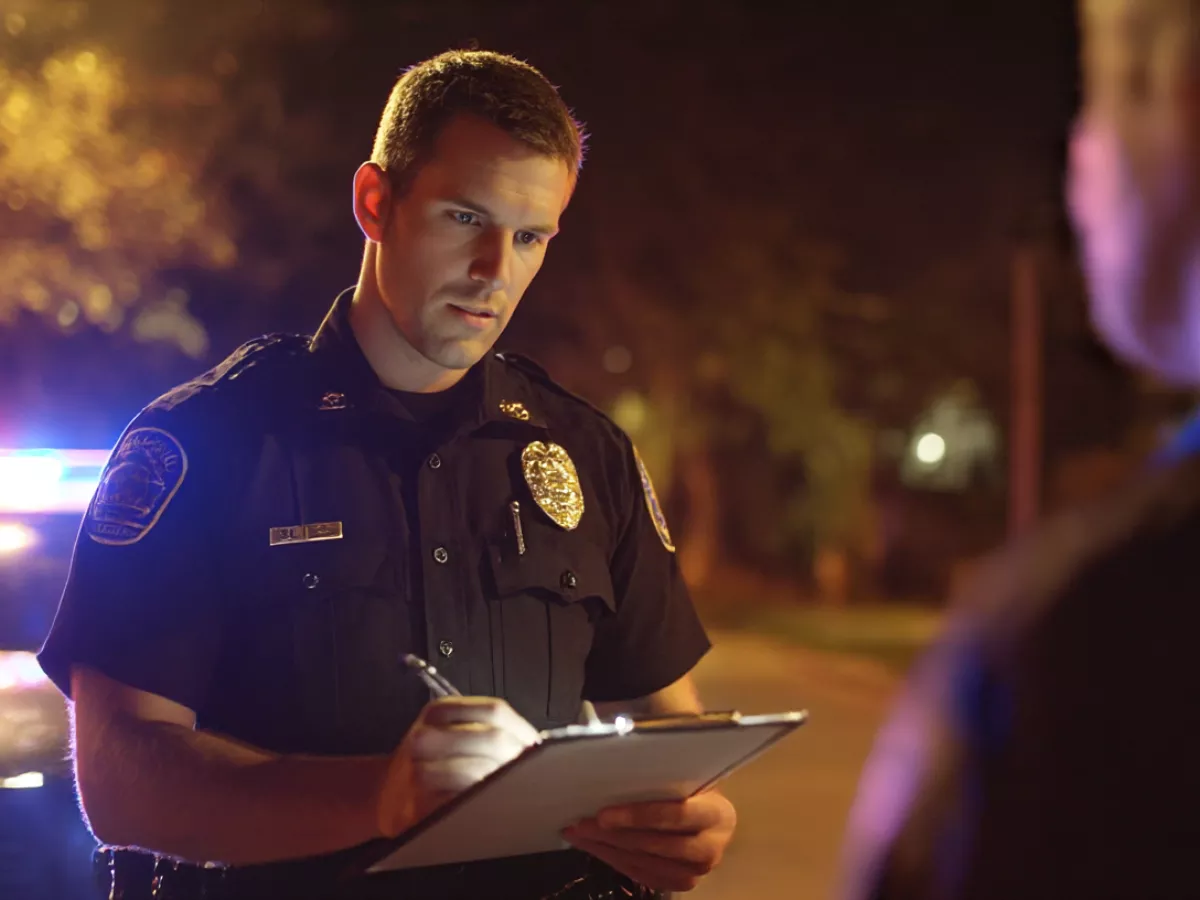
28. No Body Case
A no body case is a criminal investigation or prosecution in which authorities pursue a homicide case even though the victim’s remains have not been found.
The expression appears frequently in true crime discussions because it raises important questions about evidence, investigations, and how a prosecution may proceed without recovering a victim’s remains.
Example: “The documentary examined how investigators built a no body case using the available evidence.”
29. Break in the Case
A break in the case is an important development that gives investigators a new opportunity to understand or advance an investigation.
It could involve newly discovered information, a significant witness statement, or an important development in an investigation.
Example: “The arrival of new information finally provided a major break in the case.”

30. Case File
A case file is the organised collection of documents, records, reports, and other information relating to a particular investigation.
You will hear this expression in almost every investigative documentary. It is also used informally by true crime fans when referring to the complete collection of information about a particular case.
Example: “I wish the documentary had included more of the original case file instead of relying entirely on commentary.”
Why True Crime Fans Use These Expressions
So, why does true crime have so many specialised expressions?
First, the subject involves several different areas of knowledge. Investigations, forensic science, law, journalism, and online culture all contribute words and phrases to the conversations surrounding cases.
Second, short expressions make complicated discussions easier. Saying MO is quicker than repeatedly explaining the phrase modus operandi.
Third, online communities naturally develop shorthand. Regular podcast listeners and documentary viewers begin using expressions such as armchair detective, unsub, and rabbit hole as part of their everyday conversations.
Here is something I particularly want readers to remember: not everything used in true crime communities is technically slang. Some expressions are professional terminology, some are legal language, and others are informal internet expressions.
Understanding that difference is what separates simply memorising words from genuinely understanding how language works.
A Quick Note About Responsible True Crime Discussions
Although following true crime stories can be educational, it is important to remember that the people involved are real individuals, not fictional characters.
I always recommend approaching online case discussions with respect, checking information against reliable sources, and avoiding accusations based on rumours or unverified theories.
Being familiar with true crime terminology should help you understand discussions, not encourage assumptions about people whose circumstances have not been established.
Frequently Asked Questions
Some frequently encountered expressions include cold case, MO, perp, unsub, smoking gun, red flag, and armchair detective. Their popularity varies between documentaries, podcasts, and online communities.
Unsub is short for unidentified subject. It is commonly associated with crime television and is sometimes used informally when discussing an unidentified person in an investigation.
No. A person of interest is someone investigators want to examine or question. A suspect is someone authorities suspect may have been involved in an offence. The terminology and legal implications can vary by jurisdiction.
MO refers to a general method or pattern associated with how a crime is carried out. A signature refers to a distinctive additional behaviour or feature that is not necessary to commit the offence.
An armchair detective is someone who follows and discusses investigations from home through documentaries, podcasts, news reports, and online communities without being an official investigator.
No. Some expressions are genuine informal slang, while others are professional investigative terminology, legal language, abbreviations, or internet community shorthand.
Further Reading and Slang References
If you enjoy understanding how language develops across different online communities, I recommend exploring these additional resources.
- FBI Crime Glossary: An official reference for investigative terminology.
- US Department of Justice RICO Resources: Background on federal RICO prosecutions.
- NIST Chain of Custody Glossary: An explanation of evidence handling records.
- American Society of Criminology Resources: Additional criminology reading and research resources.
- Know Your Meme: Internet Slang: A useful resource for understanding internet language, online expressions, and digital culture.
- SlangInternet: An independent resource focusing on internet slang, acronyms, memes, and online communication.
In a Nutshell
- True crime language combines different types of vocabulary: It includes informal slang, police terminology, legal expressions, and internet shorthand.
- MO and signature are different: One describes a general method or pattern, while the other describes distinctive additional behaviour.
- Some expressions have special meanings: Terms such as unsub, perp, and smoking gun mean more in true crime discussions than they might in ordinary conversations.
- Context matters: A person of interest is not automatically guilty, and online theories are not substitutes for verified evidence.
- Understanding these 30 expressions makes true crime content easier to follow: You can recognise the terminology without confusing slang, professional jargon, and legal language.
Conclusion
One thing I have learned from studying slang is that words often reveal much more about a community than their dictionary meanings suggest. True crime is a perfect example of this.
From cold case and person of interest to unsub, rabbit hole, and smoking gun, these expressions help people communicate complicated ideas in a few familiar words.
But there is another important lesson here. Knowing the vocabulary is only part of understanding a case. You also need to recognise the difference between verified information, professional terminology, and speculation.
Now, the next time you hear a true crime podcast host mention an MO or see someone describing themselves as an armchair detective, you will understand exactly what they are talking about.
And that is what learning slang should do: make unfamiliar conversations easier to understand, one expression at a time.
About the Author
Agboola John is a language enthusiast, slang researcher, and the creator of Slangwise. He enjoys exploring how everyday words, internet expressions, and emerging slang develop across generations and online communities.
Through Slangwise, he helps readers understand the meanings, origins, and real world uses of unfamiliar expressions, making modern language easier to follow and enjoy.
Table of Contents