Highkey Meaning: The Gen Z Word That Says What Everyone Else Is Trying to Hide
Highkey is the bold Gen Z slang word for when something is obvious, intense, or totally true. Learn what it means, how to use it, and why it sounds so confident.
Decoding the Internet Lingo, One Slang at a Time
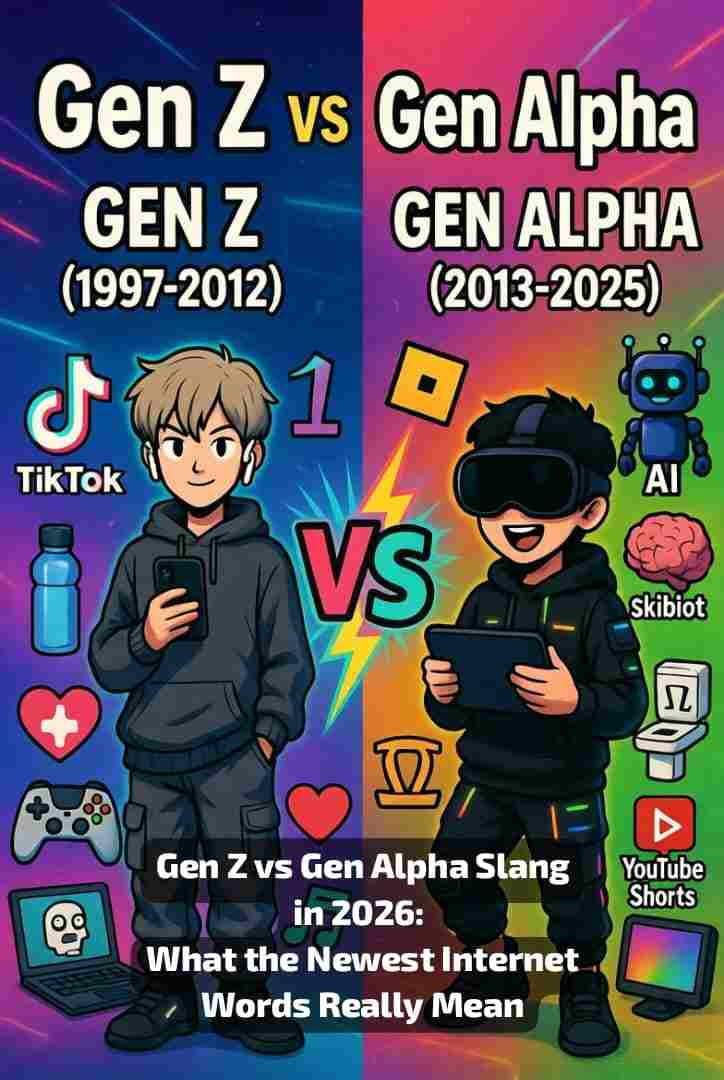
Gen Alpha slang captures the newest layer of internet language emerging from the youngest digital native generation. These terms are often playful, exaggerated, and heavily shaped by video culture, meme formats, and remix behavior.
This Gen Alpha Hub focuses on slang that is either created by Gen Alpha or redefined by them in distinctive ways.
Words like skibidi, gyatt, fanum tax, NPC, and Ohio are common examples of Gen Alpha slang you’ll encounter here. These terms often come from meme sounds, viral characters, or exaggerated reactions rather than traditional conversation. Their meaning can depend heavily on context, tone, and visual cues.
What sets Gen Alpha slang apart is reinterpretation. Younger users frequently take existing slang and push it further, sometimes using it more literally, more absurdly, or more performatively than Gen Z. A term that feels ironic to older users may be used straight by Gen Alpha, and this tag explains those shifts clearly.
Posts under this tag highlight how kids and younger teens actually use slang online.
We include usage notes, safety context when needed, and short origin explanations when available.
This makes the tag especially helpful for parents, teachers, and trend watchers who want understanding rather than overreaction.
Gen Alpha slang often overlaps with TikTok and Gen Z slang, and that overlap is intentional.
This tag exists to track how the youngest users are reshaping internet language in real time.
Highkey is the bold Gen Z slang word for when something is obvious, intense, or totally true. Learn what it means, how to use it, and why it sounds so confident.
Lowkey is one of Gen Z’s quietest but strongest slang words. Learn what it means, how people really use it, and why it shows up everywhere online.
Learn what Yahtzee means in slang, where it came from, how people use it in text, and why it still sounds fun and expressive today.
Discover what boomerasking means in slang, why it feels so annoying, and how to spot it in real conversations before it hijacks the moment.
Bazaright is a playful slang-style version of “alright.” Learn what it means, where it comes from, how people use it, and why it sounds so oddly satisfying.
Quietcation is the peaceful travel trend taking over 2025: think silence, slow mornings, digital detoxes, and zero chaos. Here is the real meaning, how people use it, and why it is suddenly everywhere.
Blue dot fever is the new live-event slang for all those unsold blue seats on ticket maps. Here’s the real meaning, origin, and how people use it.
Discover what “recession brunette” really means in slang, why it keeps popping up online, and how this low-maintenance beauty trend became a whole mood during money-conscious times.
Learn what “snack” means in Gen Z slang, why people say “looking like a snack,” how the phrase spread online, and how to use it naturally without sounding awkward.
Discover the meaning of swagalicious, where it came from, how to use it, and why this playful slang word still turns heads online and offline.
Victory crumb means a tiny win or small success people celebrate anyway. Discover what this funny slang means and why it resonates online.
Minor slay is a popular Gen Z slang phrase for a small win, modest achievement, or mildly impressive moment. Learn what it means, how it’s used on TikTok, and why this playful compliment is everywhere online.