Cap vs No Cap Meaning in 2026: What They Really Mean and How to Use Them Correctly

Learn the real meaning of cap and no cap in 2026. Discover their origin, examples, cultural history, TikTok usage, and when to use each correctly.

Decoding the Internet Lingo, One Slang at a Time
Learn the real meaning of cap and no cap in 2026. Discover their origin, examples, cultural history, TikTok usage, and when to use each correctly.
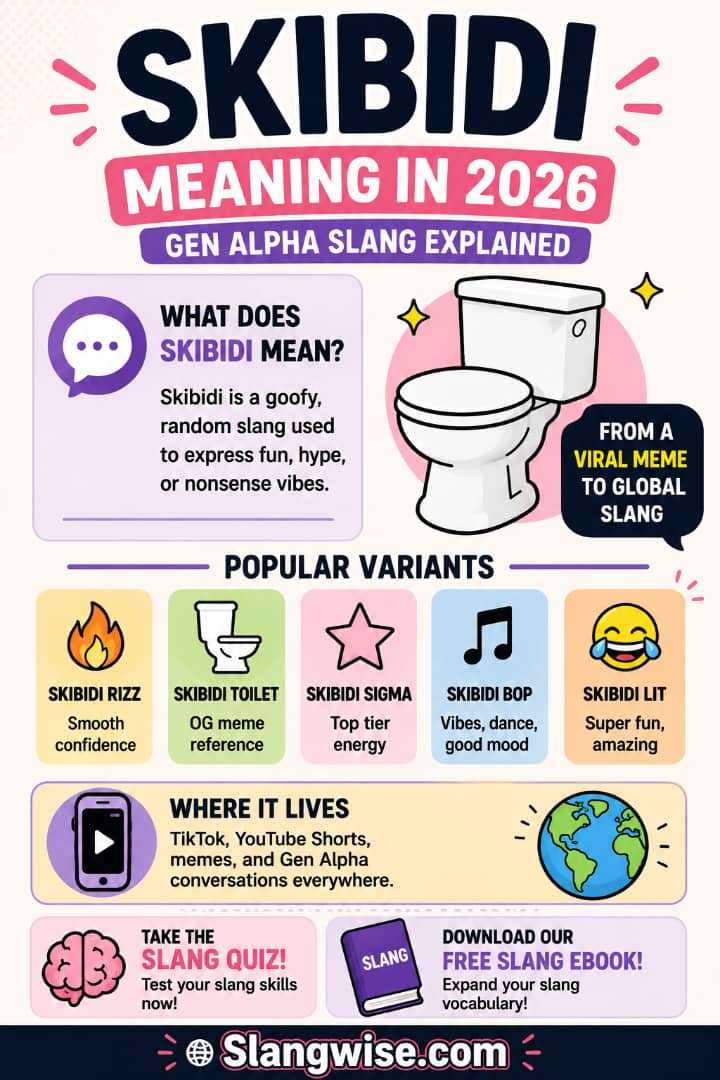
Discover the real Skibidi meaning in 2026, its viral origin, 10 popular variants, real examples, and how Gen Alpha uses it on TikTok and beyond.
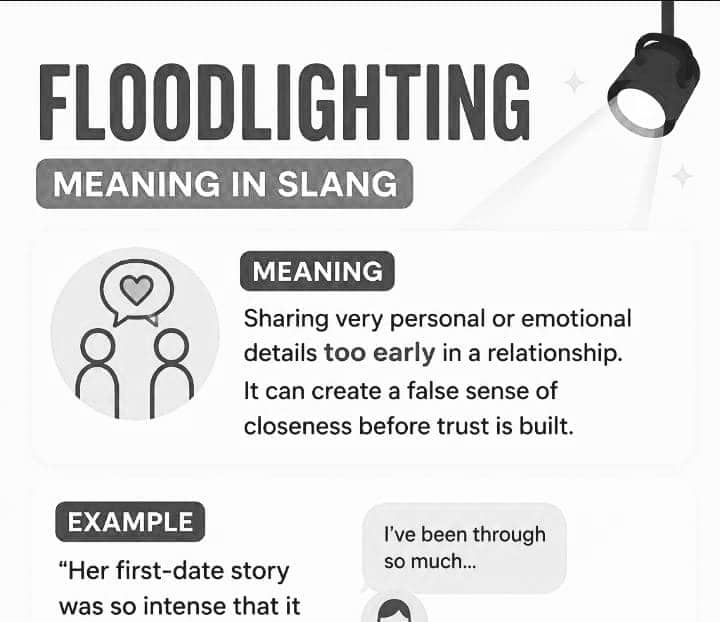
Floodlighting is the slang term for oversharing deeply and too early in dating. Here is what it really means, why people do it, and how to spot it fast.
Paperclipping is the dating slang for an ex or old flame who keeps popping back into your life without real intention. Here is what it means, how to spot it, and why it happens.
Soft ghosting is the slow, quiet way someone pulls away without fully disappearing. Learn what it means, how to spot it, and how to respond.
Cookie jarring is a sneaky dating slang term for keeping someone as a backup option. Here is what it really means, how to spot it, and why people use it.
Roaching is the dating slang term for hiding that you are seeing multiple people at once. Here is what it really means, where it comes from, and how to spot it fast.
Motion is more than movement in Gen Z slang. Learn what it really means, how people use it, and why “having motion” has become a major vibe online

Parasocial is the Gen Z word for one-sided emotional connection. Learn what it means, how people use it online, and why it matters more than ever.
Moot is one of those slang words you hear online and instantly want to decode. Learn what it means, how Gen Z uses it, and why it matters in social media culture.
Valid is one of Gen Z’s most flexible slang words. Learn what it means, how people really use it, and why it can sound supportive, cool, and surprisingly powerful.
Discover what fan behavior means in slang, how people use it online, where it likely came from, and see real examples you can use right away.