
If you have been seeing people say very demure, very mindful, or very cutesy all over TikTok and wondering what on earth started this, you are definitely not the only one. The phrase sounds simple at first, but once it gets into internet culture, it turns into something much bigger than a dictionary word.
At its core, demure means modest, reserved, and quietly elegant. That is the old meaning, the one you would find in a dictionary or in a more traditional setting. But online, especially on TikTok, the word has picked up a whole new personality. It now works like a vibe, a joke, an aesthetic, and sometimes even a way to describe a whole attitude toward life.
And that is where things get interesting. Language on the internet never stays still for long. People take an old word, remix it, repeat it, and suddenly it becomes part of the way an entire generation talks. In my perspective, that is exactly what happened with demure. It went from quiet and formal to playful, stylish, ironic, and somehow still elegant.
So, let us break it down in a way that actually makes sense. We will look at the original meaning, the TikTok meaning, how the phrase became very demure, very mindful, and very cutesy, why everyone started using it, and how you can use it without sounding forced.
In a Nutshell
- Demure means modest, reserved, and quietly elegant, but online it has become a full mood.
- On TikTok, the phrase often appears as very demure, very mindful, and very cutesy.
- The trend spread because it is easy to copy, funny to remix, and perfect for captions.
- Fashion and beauty content use it to describe soft, calm, intentional style.
- Quick extras: Grab the free eBook on 200 most popular internet slang and try the slang quiz to test what you know.
What Demure Really Means
In the simplest terms, demure means modest, reserved, composed, and quietly elegant. It usually describes someone who does not try too hard to be flashy. Instead, the style is soft, calm, and controlled. That is the traditional meaning, and it has been around for a long time.
Think of the kind of person, outfit, or attitude that feels polished without shouting for attention. That is the old school version of demure. It is not loud. It is not dramatic. It is the kind of word that sounds like it belongs in a classic novel, an old movie, or a very formal compliment.
According to the dictionary, demure means quiet, reserved, and modest, often used to describe a woman. That is the basic definition, but as with most words on the internet, that is only the starting point. Once a word enters social media, people stretch it, play with it, and give it a whole new life.
Dictionary meaning of demure: demure means to be quiet, reserved, modest, shy, typically used of a woman. That is the base definition, but words evolve. That is the fun part.
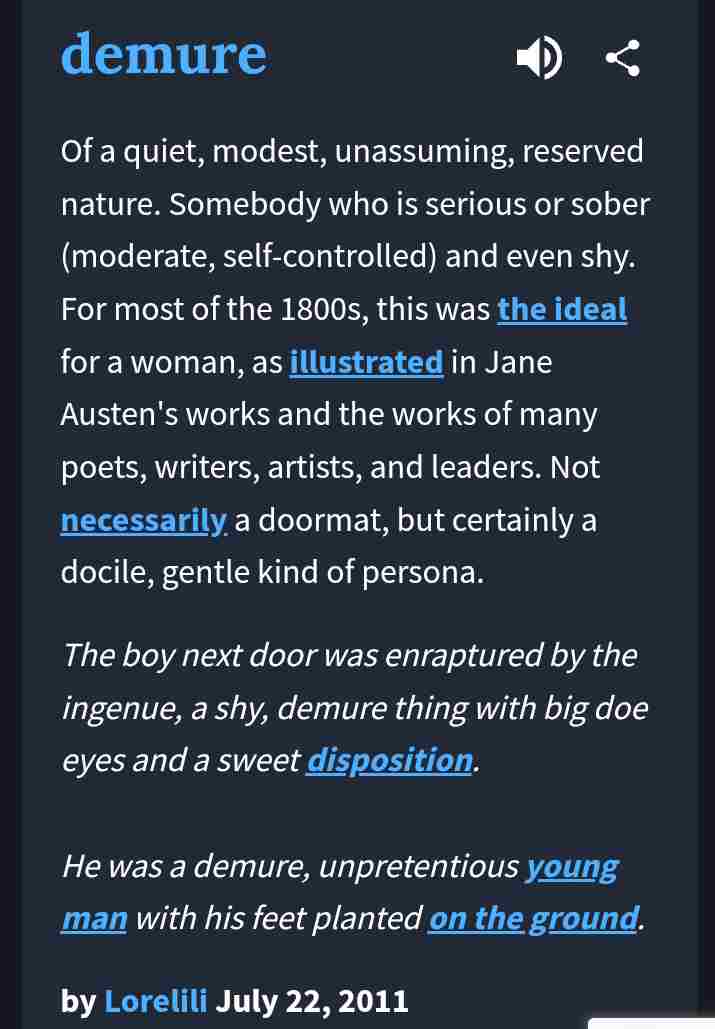
Slangwise Thought: Demure is one of those words that feels old fashioned until the internet gets hold of it. Then suddenly it becomes trendy, funny, and deeply modern all at once.
READ ALSO: Girlboss Meaning: Millennial Dream vs Gen Z Reality — How the Meaning Changed
The Demure Meaning on TikTok and Other Social Media
On TikTok and other social media platforms, demure became much more than a dictionary entry. It turned into a shorthand for a certain mood, a certain aesthetic, and a certain kind of self aware humor. That is why people use it in so many different ways.
Sometimes it is sincere. Sometimes it is ironic. Sometimes it is both at the same time. That is part of the charm. A creator might use the phrase on a calm, polished video to signal quiet confidence. Another person might attach it to a chaotic clip just to make the contrast funny.
So when someone says very demure online, they are not always talking about the literal dictionary meaning. They may be pointing to a soft lifestyle, a careful presentation, a humorous exaggeration, or a playful way of saying, “look how intentional this is.”
That is why people search for the meaning of the word demure TikTok users keep repeating. They want the plain definition, but they also want the cultural meaning, and those two things are not always exactly the same.
In other words, the TikTok version of demure is less about strict modesty and more about style, tone, and self awareness. It is a word that can feel soft, funny, polished, or exaggerated depending on how it is used.
How Gen Z Turned Demure into Very Demure, Very Mindful, and Very Cutesy
Gen Z has a special talent for taking old language and giving it a new life. Sometimes they do it with sincerity. Sometimes they do it with irony. Most of the time, it is a bit of both. Demure is a perfect example of that pattern.
Here is the basic transformation. First, people kept the original meaning of demure, which is modest and reserved. Then they turned it into an aesthetic, where the word represents calm confidence, soft presentation, and quiet style.
After that, they made it funny by repeating it in a way that sounds almost exaggerated. That is how phrases like very demure, very mindful, and very cutesy took over captions and comments.
Very Demure usually points to subtle elegance. It can describe a look, a mood, a video edit, or even a way of carrying yourself. It feels neat, polished, and intentionally low key.
Very Mindful adds the idea of intention. It suggests a calm, thoughtful, deliberate approach. That could mean slow living, careful choices, peaceful routines, or just a sense that nothing is rushed.
Very Cutesy brings in sweetness and playfulness. It softens the whole thing and adds a whimsical touch. This is the part that makes the trend feel less stiff and more fun.
Together, the three phrases create a whole personality. One part elegance, one part intention, one part sweetness. That mix is exactly why the trend became so sticky. People can use it seriously, jokingly, or somewhere in the middle.
Read Also: Demure is one of the most popular 65 TikTok slang terms of this current age. What are the other slangs? Find out.
Why Everyone Suddenly Says Very Demure, Very Mindful, and Very Cutesy
The reason this phrase blew up is actually pretty easy to understand once you look at how internet language spreads. A trend does not become viral just because it sounds nice. It spreads because it is easy to repeat, easy to remix, and easy to turn into a joke.
One major spark came from viral TikTok videos that used the phrase in a way people could instantly copy. A caption like “very demure, very mindful” works because it sounds polished, but it also sounds funny when paired with ordinary or messy content. That contrast is what makes it shareable.
Then other creators joined in and gave the trend more depth. Some leaned into the style side. Some leaned into the mindfulness angle. Some used it to joke about being calm while clearly being anything but calm. That mix kept the phrase alive long after the first wave.
Here are some of the biggest reasons it spread so quickly:
- It is easy to copy. The phrase is short, rhythmic, and memorable, which makes it perfect for captions and short videos.
- It has built in irony. People can use it sincerely or sarcastically, which gives it more life than a one note trend.
- It fits current aesthetics. Soft style, calm editing, and gentle humor all match the phrase naturally.
- It feels self aware. Younger creators love language that says, “I know exactly what I am doing,” while also laughing at the performance.
- It works in almost any niche. Fashion, beauty, lifestyle, memes, and even work content can all use it in some way.
So yes, the trend has a funny side. But it also reveals something real about what people value right now: calm presentation, intentional choices, softness, and a little bit of humor about all of it.
Who Started the Trend: Jools Lebron, Selyna Brillare, or the Internet Itself
This is where things get a little messy in a very internet way. People love asking who started a trend, but the honest answer is often that trends do not belong to just one person. They grow because several people add something different at different moments.
Jools Lebron is widely associated with bringing the phrase into mainstream attention through a viral TikTok style moment that made the wording instantly reusable. That is the part many people remember first because it was catchy, funny, and easy to repeat.
At the same time, other creators like Selyna Brillare are often discussed as helping give the idea a deeper meaning. Instead of treating demure as only a joke, they leaned into the values behind it, like calm living, intentional style, and softer self presentation.
That is why it makes more sense to think of the trend as a collective internet evolution rather than a single moment with one owner. One creator gave it viral energy. Others gave it structure. The internet did the rest.
Trends are collective, not competitive: while one creator may help a phrase go viral, the internet usually turns it into something bigger by remixing it, repeating it, and giving it new meaning.
Slangwise
READ ALSO: Discover the 250 top trending internet slangs
How Demure Shows Up in Fashion, Beauty, and Content
One reason demure became so popular is that it fits into visual culture really well. You can see it, not just read it. That makes it especially useful for fashion and beauty creators, where the look matters as much as the caption.
In fashion, demure usually means simple shapes, soft colors, neat tailoring, and outfits that feel polished without being loud. Think classic pieces, clean lines, and a calm presence. It is not about looking plain. It is about looking intentional.
In beauty, the demure look often shows up as natural skin, soft makeup, subtle gloss, tidy brows, and a no fuss finish. It creates the feeling of effort without looking overdone.
In content, demure works through editing style, captions, and timing. A creator might show a quiet morning routine, a clean outfit, a soft voiceover, or even a chaotic moment that gets labeled very demure for humor. That contrast is part of the fun.
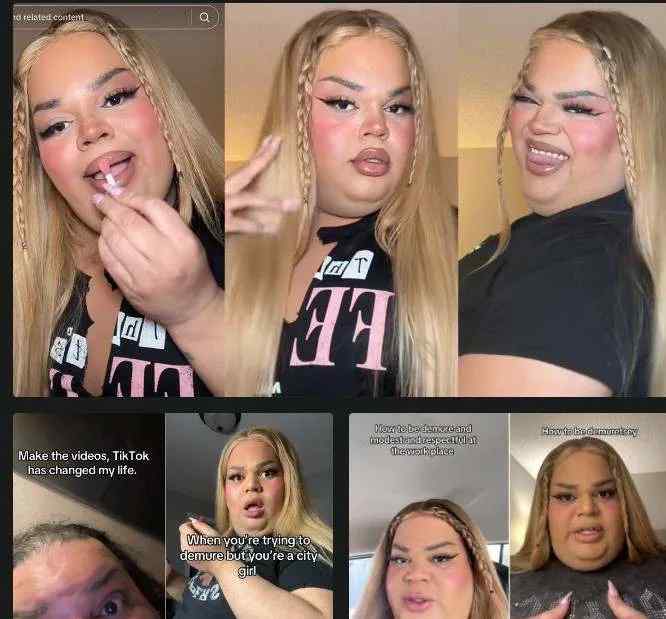
Jools Lebron is part of the cultural story because the viral format helped push the phrase into the mainstream.
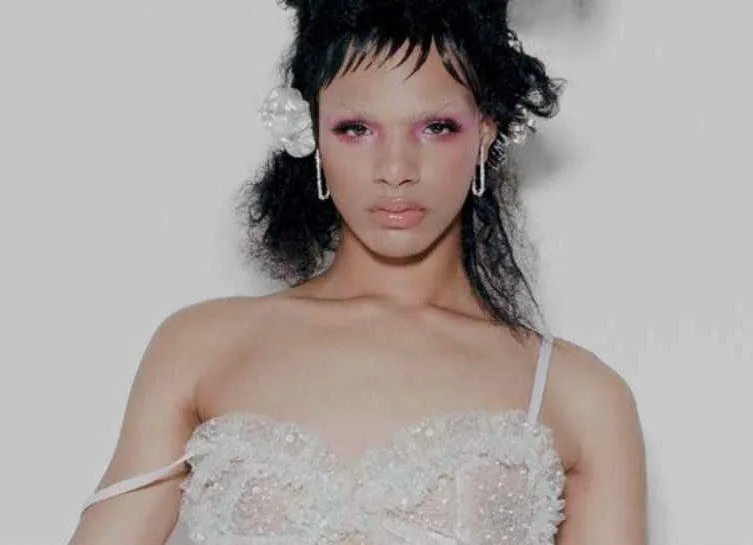
Selyna Brillare is often connected to the more thoughtful side of the trend, especially the part focused on mindful living and quiet style.
How to Use Demure Without Sounding Forced
If you want to use demure naturally, the easiest trick is to match it with something that already has a soft, calm, or intentionally funny tone. Do not try to force it into every sentence. That usually makes it sound awkward.
Here are a few ways it can work:
- Fashion caption: Feeling very demure in this outfit today.
- Beauty post: Very mindful, very soft, very cutesy.
- Funny post: Tried to be demure. Immediately tripped over my own confidence.
- Lifestyle caption: Slow morning, clean room, very demure energy.
The key is balance. If the content is too serious, the phrase may feel stiff. If the content is too chaotic, the phrase becomes a joke. That is why so many people like it. It can live in both worlds at once.
Why Some People Love the Trend and Others Question It
Like most internet trends, demure is not universally loved. Some people enjoy it because it feels playful, stylish, and smart. Others worry that it brings back older ideas about how people, especially women, are supposed to act or present themselves.
That criticism is worth understanding. Demure does have roots in older ideas about modesty, restraint, and proper behavior. So when people use it online, especially in a beauty or fashion context, it can feel like a remix of those older expectations.
At the same time, many users are clearly not treating it as a rule. They are treating it as a joke, a style, or a way to play with identity. For them, the phrase is less about obedience and more about performance, irony, and self aware fun.
That tension is part of why the trend is interesting. It is not just a word. It is a conversation about style, gender, humor, and internet culture all at once.
READ ALSO: 30 Must Know Creator Slang Words That Influencers Use All The Time
Quick Examples You Can Actually Use
Sometimes the easiest way to understand a trend is to see it in action. Here are some simple examples you can borrow or adapt:
- Fashion post: “Neutral tones, soft lighting, very demure today.”
- Beauty clip: “No drama, just a very mindful little routine.”
- Funny caption: “Acting very cutesy while my life is falling apart.”
- Self aware joke: “I tried to be demure and ended up being loud in my own head.”
- Comment reply: “This is giving very demure, very mindful, very cute.”
Notice how each example keeps the mood light. That is usually the best way to use the phrase. It is not meant to sound stiff or overly serious. It works best when it feels a little playful.
Final Note
Demure is a great example of how the internet can take an old word and give it a brand new life. What used to mean modest, reserved, and elegant has now become a full cultural shorthand for style, humor, mindfulness, and soft confidence.
That is why the phrase very demure, very mindful, and very cutesy works so well. It is simple enough to repeat, flexible enough to remix, and expressive enough to mean different things in different contexts. Sometimes it is sincere. Sometimes it is ironic. Sometimes it is both.
So the next time you see someone use demure on TikTok, you will know there is usually more going on than just the dictionary definition. It can be an aesthetic, a joke, a mood, or a tiny bit of online performance. That is the fun part of internet language. It keeps changing, and somehow we all keep up.
Frequently Asked Questions
Demure means modest, reserved, and quietly elegant. It usually describes someone or something that feels calm, polished, and not flashy.
On TikTok, very demure often means a calm, stylish, or self aware vibe. People use it both sincerely and jokingly.
Those phrases add to the mood. Very mindful suggests intention and calm, while very cutesy adds sweetness and playful charm.
Yes, you can use it casually, especially when talking about style, behavior, or a soft aesthetic. It works best when the tone feels natural.
About the Author
Written by Agboola John, a slang focused writer who studies how online language evolves, spreads, and reshapes culture in real time via slangwise.com.
Table of Contents