Why Slang Goes Viral: The Secret Life of Internet Words
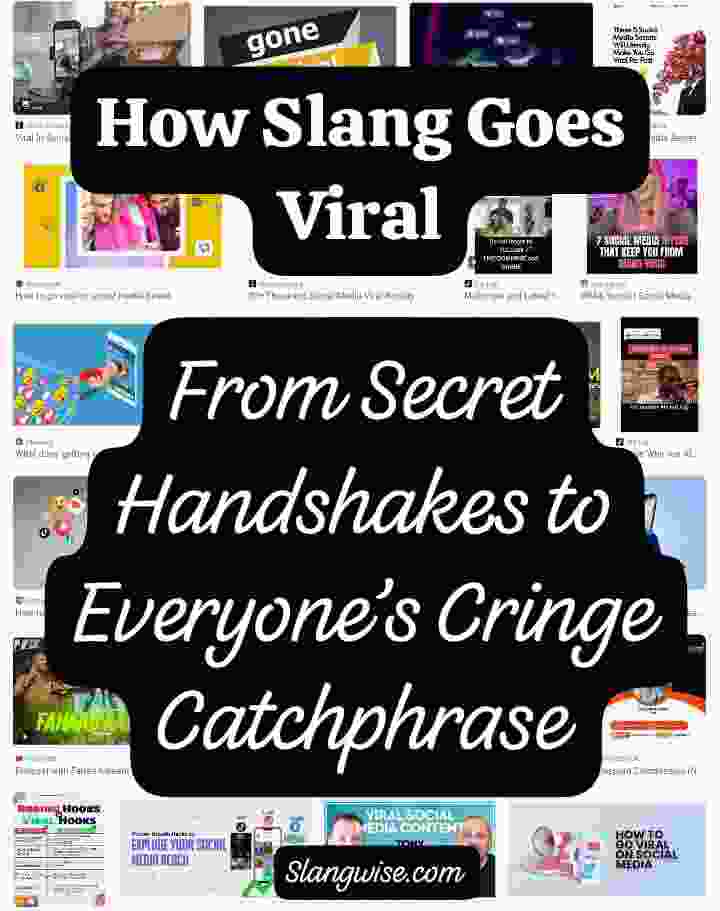
Slang starts small, spreads fast, and fades even faster. Learn the three stages of viral slang, with examples, tips, and how to use new words well
Decoding the Internet Lingo, One Slang at a Time
Gen Z slang is the fast moving language shaped by people born from the mid 1990s to the early 2010s.
It thrives on social media, group chats, and short form content where humor, irony, and identity matter just as much as literal meaning.
This Gen Z slang section gathers clear explanations of the slang words Gen Z uses most so readers can understand online conversations without guessing.
If you’ve seen terms like rizz, no cap, sheesh, sus, or delulu in captions or comments, those are classic examples of Gen Z slang you’ll find explained here.
Each article breaks down what the word means, how it’s used in context, and when it’s playful versus serious.
We also explain tone, because Gen Z slang often relies on irony or exaggeration.
What makes Gen Z slang unique is how quickly it evolves. A word can start as a joke, become ironic, and then turn mainstream within weeks.
That’s why Slangwise focuses on clarity and real usage. Instead of one line definitions, posts under this tag include examples, origin notes, and common misunderstandings so you don’t misuse a term.
This Gen Z slang hub is useful for casual readers trying to keep up, parents and educators looking for clarity, and creators or brands who want to sound natural rather than forced.
Many terms here also appear in TikTok videos and Gen Alpha conversations, and that overlap reflects how slang actually spreads.
If a slang term feels everywhere online but you’re unsure what it really means, this tag is where to start.
Slang starts small, spreads fast, and fades even faster. Learn the three stages of viral slang, with examples, tips, and how to use new words well

What does GR8 mean? Discover the meaning of GR8 in text, its origin, usage, and how to use it correctly in chats and social media.