

In a Nutshell: Pookie Bear Explained
- Pookie Bear is a playful nickname used to express affection, closeness, comfort, or teasing.
- The phrase combines the cute, baby-talk feel of Pookie with the warm and cuddly image associated with a bear.
- It can appear in romantic relationships, friendships, families, and playful online conversations depending on the people involved.
- The real meaning comes from tone, context, and the relationship, not from the literal words alone.
- Like many modern nicknames, Pookie Bear works best when it feels natural and mutual rather than forced.
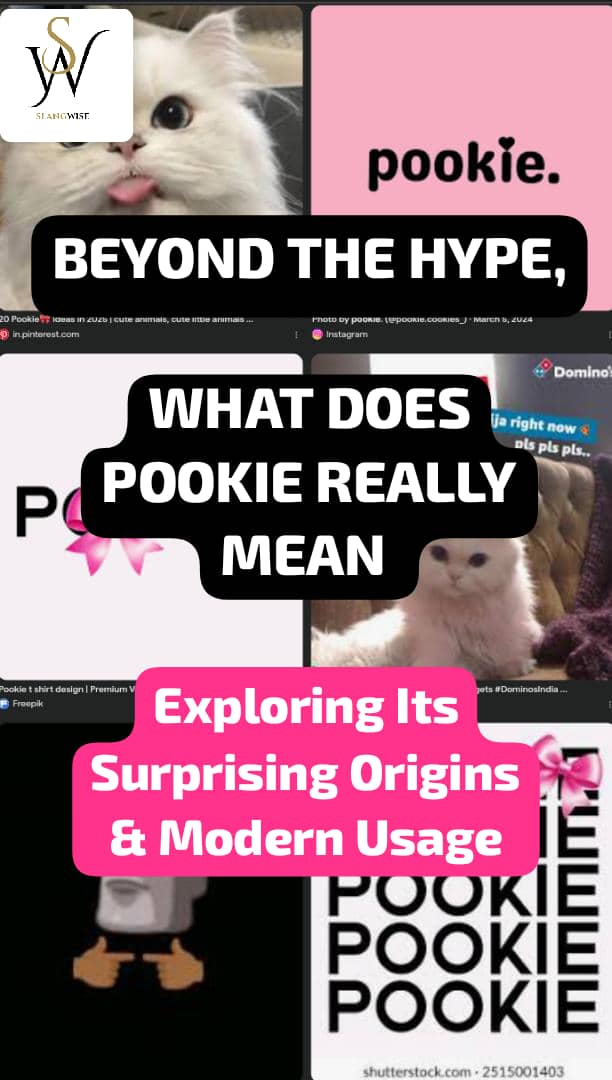
Pookie Bear sounds ridiculously cute. That is actually part of the point.
In years of studying slang, internet language, and the way people create their own expressions, one pattern shows up again and again: some of the most meaningful words do not sound serious at all. They sound silly, exaggerated, childish, or even completely made up.
Pookie Bear fits that pattern perfectly. It is a lighthearted pet name that combines the affectionate feel of “Pookie” with the cozy imagery of “Bear.” Depending on who says it and how they say it, the name can communicate affection, friendship, reassurance, playful teasing, or a sense of private closeness.
So why does a name this goofy matter? Because nicknames are rarely just about the dictionary meaning. They are about the relationship behind the word.
What Does Pookie Bear Actually Mean?

Pookie Bear is an affectionate nickname for someone you feel close to. The phrase does not have one rigid definition because its meaning changes with the relationship and situation.
In a romantic text, it can sound sweet and intimate. Between close friends, it can be deliberately ridiculous. From a parent to a child, it can sound comforting and familiar. Online, someone might even use it sarcastically to make a dramatic situation sound funny.
That flexibility is one of the reasons slang like this survives. It is less about literal meaning and more about emotional meaning.
Generally, Pookie Bear does three things at once:
- It softens the interaction. “Pookie” has a deliberately cute, harmless sound that can make a message feel warmer.
- It adds comfort. “Bear” brings a cozy, cuddly image that makes the nickname feel affectionate.
- It signals closeness. A personal nickname can function almost like a tiny piece of shared vocabulary between people who know each other well.
Slangwise Tip: A nickname can strengthen a connection, but only when both people are comfortable with it. The best nicknames feel natural, not assigned.
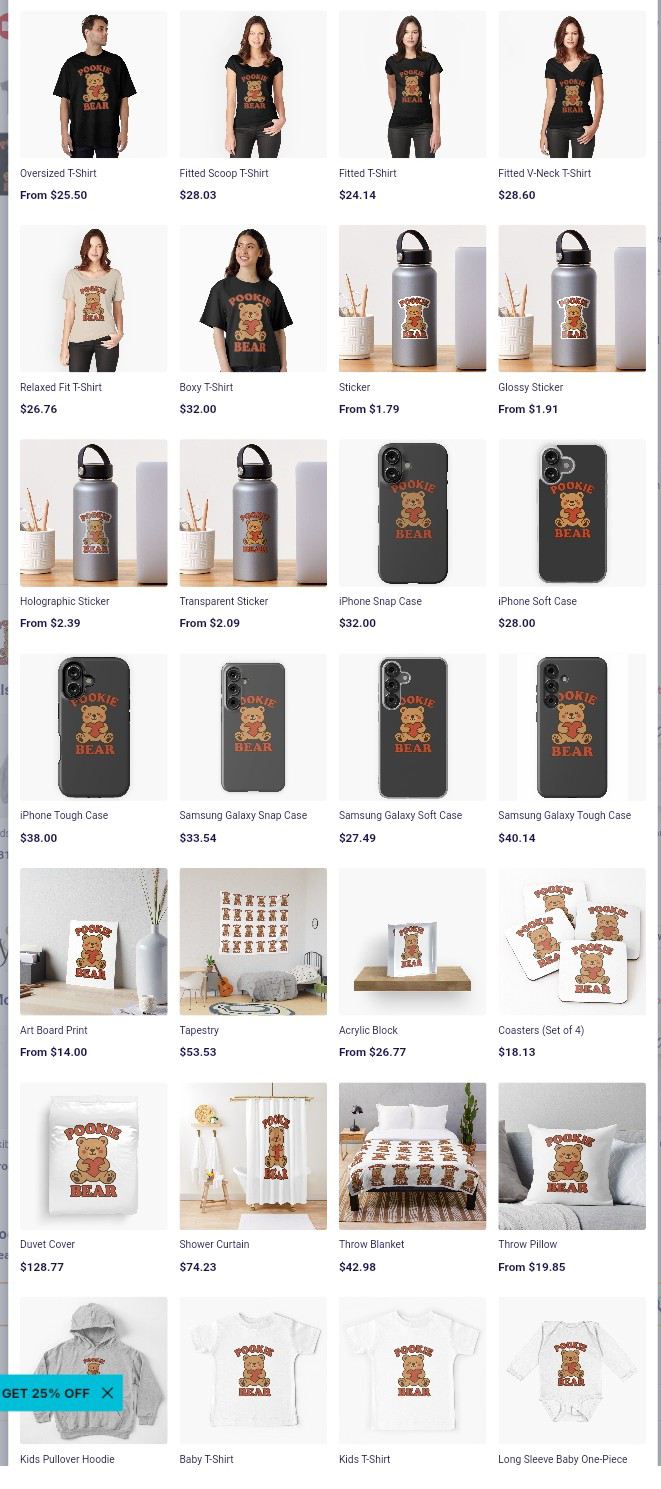
Feeling the Pookie Bear vibes? Grab our limited-edition merch, tees, hoodies, mugs, and more, designed to bring out your sweetest side. Whether it’s for you or your favorite person, now’s the time to wear your love loud and proud.

Shop now before it’s all gone: Pookie Bear
Pookie Bear Examples in Real Conversations
The easiest way to understand this nickname is to see how it behaves in different conversations. Here are some fresh examples.
Checking in after a rough day
Text: “Hey Pookie Bear, rough day? Come chill and forget about everything for a while.”
What it does: The nickname adds warmth to a supportive message. It makes the conversation feel personal rather than formal.
Playful jealousy
Text: “Oh, Pookie Bear has time for everybody except me now?”
What it does: The nickname turns a potentially serious complaint into playful teasing. The tone makes the difference.
Celebrating a small win
Text: “Look at you, Pookie Bear! You finally fixed the Wi-Fi without calling anyone.”
What it does: Here, the nickname adds humor to encouragement and makes an ordinary achievement feel more personal.
A funny social media caption
Caption: “Pookie Bear escaped the group chat and actually went outside today.”
What it does: The nickname becomes part of the joke. It creates a playful persona without necessarily carrying a serious romantic meaning.
Comfort from a family member
Message: “Come here, Pookie Bear. Everything is going to be okay.”
What it does: In a family setting, the nickname can sound reassuring and protective rather than romantic.
These examples show why it is misleading to say Pookie Bear has only one meaning. The phrase is flexible enough to move between affection, humor, comfort, teasing, and familiarity.
That is a major feature of modern slang: context does much of the semantic work. The same nickname can feel completely different depending on the speaker, audience, platform, and relationship.
Read Also: From romance to memes to inside jokes: learn 9 meaning of Pookie and 5 cute alternatives. Test yourself with the ultimate slang quiz!
Where Did Pookie Bear Come From?
There is no single moment that can be credited as the invention of Pookie Bear. Like many pet names, it belongs to a broader tradition of affectionate wordplay.
People have long created cute versions of ordinary names and words for partners, children, friends, and family members. Sounds are shortened, repeated, exaggerated, or combined with familiar images. Words such as “honey,” “bunny,” “baby,” and “bear” have all been used this way.
“Pookie” itself functions as a playful term of endearment, while “bear” adds another layer of coziness. Put them together and you get a nickname that sounds intentionally over-the-top—and that exaggerated sweetness is precisely what gives it personality.
Social media has also made these kinds of nicknames much easier to spread. A phrase that starts in one private conversation can appear in comments, captions, memes, videos, and group chats within a surprisingly short time.
Why Pookie Bear Can Matter in Relationships
One of the most interesting things about slang is how ordinary words can develop special meanings inside relationships.
A couple, family, or friend group may create its own vocabulary without even realizing it. One person gets a particular nickname. Another phrase becomes an inside joke. A certain expression eventually reminds everyone of a specific person or moment.
That is where Pookie Bear can become more meaningful than it sounds. Repeated language creates familiarity. When a nickname is associated with encouragement, laughter, or comfort, hearing it can instantly bring back those feelings.
From a slang perspective, this is fascinating because the literal words are not doing all the work. The relationship supplies much of the meaning.
How to Use Pookie Bear Without Making It Awkward
Not every person wants an affectionate nickname, and not every situation calls for one. The difference between charming and cringe usually comes down to timing, familiarity, and consent.
- Start naturally. You do not need to suddenly announce that someone is now Pookie Bear. Let the nickname develop organically.
- Read the reaction. A laugh, smile, or playful response is very different from visible discomfort or silence.
- Match the setting. A private message allows more personality than a formal workplace conversation.
- Do not overuse it. A nickname becomes less special when it appears in every sentence.
- Respect boundaries. If someone does not like the nickname, drop it. A good nickname should create closeness, not discomfort.
The strongest nicknames usually feel earned. They grow from shared experiences, recurring jokes, or a particular kind of affection. That is why a nickname invented naturally between two people often feels much better than one borrowed from a trend.
Read More: 18 Slang Words to describe an attractive woman – A brief overview with examples.
Alternatives to Pookie Bear
Maybe Pookie Bear is simply too extra for your style. That is fine. Similar affectionate nicknames can create a softer tone without sounding quite as exaggerated.
- Boo
- Babe
- Cuddlebug
- Sunshine
- Little Bear
- Snack
These alternatives do not mean exactly the same thing. “Sunshine” can sound cheerful, “Boo” is more casual, and “Cuddlebug” leans heavily into playful affection. The right choice depends on the personality of the relationship.
Slangwise Thought
From a slang-decoder perspective, Pookie Bear is a great example of how language works beyond the dictionary.
It is not powerful because the phrase itself is profound. It is powerful because people attach memories, emotions, jokes, and shared experiences to it. That is how personal language develops.
After studying slang across social media and everyday communication, one thing becomes clear: people constantly reinvent language to reflect how they relate to one another. Pookie Bear belongs to that tradition. It is cute, intentionally silly, and surprisingly expressive.
The best part is that the phrase does not need to sound serious to carry genuine affection. Sometimes the silliest nickname becomes the one people remember most.
Quick Dos and Don’ts of Pookie Bear
- Do use it when the relationship already has a playful or affectionate tone.
- Do pay attention to where and when you use it.
- Don’t force the nickname on someone who clearly dislikes it.
- Don’t assume Pookie Bear automatically means romance.
Final Thoughts
Pookie Bear may sound like a tiny, goofy nickname, but there is more happening beneath the surface.
It combines cute language, playful imagery, and relationship-specific meaning into two memorable words. For one person it might be romantic. For another, it could be a family nickname or an inside joke between friends.
The real lesson is that nicknames get their meaning from the people using them. When Pookie Bear feels natural, mutual, and appropriate to the situation, it can become a small but memorable expression of closeness.
Frequently Asked Questions
Pookie Bear is a playful term of endearment used for someone who feels cute, lovable, comforting, or personally special. Its exact meaning depends on the relationship and tone.
It can be romantic, but it is not limited to romantic relationships. Close friends and family members may also use the nickname in a playful or affectionate way.
Yes. Pookie Bear is not restricted to one gender. It can be used for anyone when the nickname fits the relationship and the person is comfortable with it.
It can feel cringe if it is forced or used with someone who dislikes affectionate nicknames. Between people who already share a playful bond, it can sound cute and natural.
Pookie Bear has a deliberately cute and playful sound, but that does not automatically make it childish. The context, tone, and relationship determine how it comes across.
Stop using the nickname and respect their preference. A personal nickname should create comfort and connection rather than pressure or embarrassment.
Reference source: Urban Dictionary
Table of Contents