
- Pookie usually means affection: In most modern conversations, it works like a warm nickname for a partner, friend, pet, or even a comfort object.
- The word has a long and messy history: It likely grew out of affectionate family speech and later picked up extra visibility from pop culture, comics, film, and social media.
- Context changes everything: The same word can sound sweet, teasing, ironic, or even a little shady depending on who says it and where they say it.
- Gen Z and Gen Alpha keep it alive: The word survives because it is short, soft sounding, and flexible enough to fit DMs, captions, jokes, and memes.
- Reading the tone matters most: If you want to understand Pookie correctly, listen to the setting, the relationship, and the energy around it.
I have spent years watching slang do what slang does best, which is move, bend, stretch, and surprise people. Very few words capture that better than Pookie.
It sounds soft. It sounds playful. It sounds like something you would call someone you adore, someone you tease, or someone you have known long enough to joke with freely.
And that is exactly why the word keeps showing up in texts, comments, captions, memes, and everyday conversation.
When people ask me what Pookie means, I usually give the same answer first: it is mostly a term of endearment. But that answer only scratches the surface.
The more you study the word, the more you realize that it has layers. It has a sweet side, a joking side, a pop culture side, and in a few rare corners, a meaning that has nothing to do with affection at all. That is what makes Pookie interesting to decode.
So in this guide, I am breaking down Pookie the way I would explain it to someone who wants the real story, not just the quick definition.
We are going to look at the likely origin, the cultural path that helped it survive, the nine meanings people actually use, and the clues that tell you which meaning is active in the moment.
Why a tiny nickname can carry so much weight
Small nicknames do real social work. That is one of the first things I learned while paying attention to slang across different age groups and online spaces.
A nickname is rarely just a name. It can signal closeness, soften a message, create an inside joke, or make a relationship feel more personal without saying anything grand or dramatic.
Words like honey, babe, darling, sweetie, and cutie have lasted because they do something efficient: they compress affection into a short phrase that people can reuse quickly.
Pookie fits into that same family, but it has an extra bit of charm because it feels less expected. It is playful without being stiff. It is cozy without feeling overly formal. It has personality.
That is why Pookie works so well online. In a space where everyone is trying to sound casual, unique, and emotionally legible at the same time, a word like this does a lot with very little. It can sound sincere in one chat and ridiculous in another. That flexibility is not a weakness. It is the reason the word keeps living.
Pookie is just one out of the top trending and the most popular internet slang of the decade, check out the 199 others.
Show Your Pookie Bear Love in Style!

Pookie Bear meaning explained. Discover the origin of this cute slang nickname, plus examples of how people use it in texts and relationships.
Where Pookie likely came from
The origin of slang is often messy, and Pookie is no exception. When I trace affectionate nicknames like this, I rarely look for a single clean birth certificate. Words like this usually travel through family speech, local communities, media, and repetition until they become familiar enough to feel native.
One of the strongest theories is that Pookie grew out of older affectionate diminutives in German speaking family usage, then spread through migration and cultural exchange.
The key thing to understand is not whether every step is perfectly linear, but that the sound pattern itself is the kind that tends to survive. It feels soft. It feels childlike. It feels intimate. Those qualities help a word move.
By the middle of the twentieth century, the word had begun appearing more visibly in English speaking family spaces, and pop culture gave it an extra push.
Comics and television helped turn a private sounding nickname into something more widely recognizable. Once a word enters mass culture, it can stop belonging to one small group and start belonging to everybody at once.
That is what happened here. Pookie became one of those words that people heard somewhere, stored in memory, and later pulled out for their own use. It moved from affectionate family language into wider everyday slang, and eventually into the internet, where it found fresh life.
Pop culture and media kept Pookie alive
Slang rarely survives on charm alone. It usually needs a boost from culture, and Pookie got several. A memorable fictional character, a few children’s media references, and the internet’s love of cute, reusable words all helped keep the term in circulation.
One of the clearest examples is the Garfield universe, where the teddy bear named Pooky became a tiny but memorable cultural object. Even people who never used the word themselves still recognized the sound.
That matters more than people think. Repetition through media creates familiarity, and familiarity creates longevity.
Later, online culture did what it always does. It lifted the word out of older contexts and gave it new jobs. Now it could be used in comments, captions, edits, relationship jokes, and meme formats. The result is a word that feels both nostalgic and current. That is a powerful combination in slang.
The internet also gave Pookie a second life by making it funny. A nickname that once sounded private and tender could now be used with irony, exaggeration, or total sincerity depending on the audience. That is part of why it has remained useful. It can carry more than one emotional tone at once.
Pookie meaning in modern Gen Z and Gen Alpha usage
When I watch modern slang evolve, one pattern is obvious: younger users love words that can work on multiple levels. They want language that can be affectionate, funny, dramatic, or performative depending on the setting. Pookie fits that perfectly.
In Gen Z and Gen Alpha spaces, the word often appears like this:
- “Good morning, Pookie. Did you eat yet?”
- “Pookie, you are ridiculous, but I love that for you.”
- “My little Pookie just stole the whole couch again.”
What stands out here is not just the word itself, but the attitude around it. It is warm, but not always romantic. It can be tender among friends, playful in a private chat, or absurd in a public post. That is exactly the kind of flexibility internet slang rewards.
Because Pookie is not as overused as babe or baby, it can also feel more deliberate. People often reach for it when they want the nickname to sound a little more personal, a little more playful, or a little more coded than the standard options. In slang terms, that makes it sticky.
When Pookie is not sweet at all
Here is the part that makes people pause: not every Pookie is a compliment. Like many slang terms, it can travel into unrelated or niche meanings depending on region, subculture, and era. That is why I always tell people not to guess too fast.
In some older street and drug related contexts, the word has been reported with darker meanings. Those uses are rare in everyday conversation, but they exist, which is why context matters so much. The same word can sound adorable in one sentence and completely different in another.
There are also regional quirks. In some places, Pookie can feel like a teasing nickname for a mischievous friend. In other places, it may echo older folk words that have a more playful or impish flavor.
This is one of the reasons slang research never gets boring. Words keep their history, even when most people only notice their current use.
Curious how people REALLY describe an attractive female today? This list of 18 trending slang words will blow your mind.”
The 9 most likely Pookie meanings, with fresh examples
1. The classic term of endearment
This is the meaning most people know first. In everyday use, Pookie often works like a soft nickname for someone you care about deeply. It may be used between partners, parents and children, or even close friends who like affectionate banter.
Fresh examples:
- “Text me when you get home, Pookie.”
- “You made my whole day, Pookie, seriously.”
This is the version people usually mean when they use the word with hearts, soft emojis, or late night sweetness. It sounds intimate without being too formal.
Dr. Elena Martinez, a linguist who studies intimacy in language, puts it perfectly: “Nicknames like ‘Pookie Bear’ act as social glue. They signal closeness without needing grand gestures.” So yes, when the tone is soft, the word is doing affectionate work.
2. The playful friend nickname
Sometimes Pookie is less about romance and more about friendship. In that case, it sounds like a nickname between people who have a long running joke or a naturally teasing bond. It is affectionate, but the affection is wrapped in humor.
Fresh examples:
- “You forgot your charger again, Pookie. Of course you did.”
- “Come on, Pookie, you know you’re my favorite disaster.”
This version usually shows up when people roast each other lightly but still clearly care. If the word lands with a smile, a laugh, or a nudge, it is probably functioning as friendly shorthand.
130+ GEN ALPHA SLANG LEXICON
🚨 If “Pookie” left you raising an eyebrow, just wait until you see the wild slang Gen Alpha is inventing right now. Their language makes TikTok captions look like ancient history.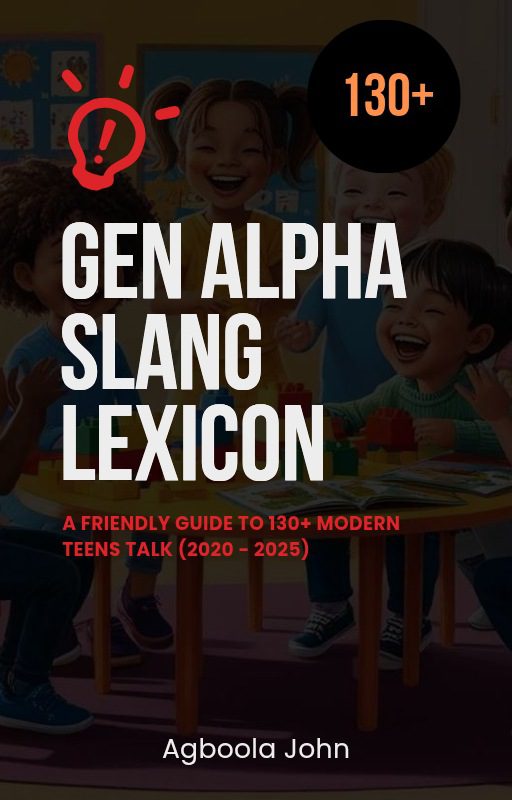
📘 Grab your copy of Gen Alpha Slang Lexicon: A Friendly Guide to 130+ Modern Teens Talk – 130+ slang terms decoded with clear meanings, real examples, and context you won’t find anywhere else.
3. The pet name for an actual pet
Pookie is also a very natural pet name for animals. It sounds soft enough for a cat, silly enough for a dog, and cute enough for almost any small creature that lives rent free in your heart.
Fresh examples:
- “Pookie, get off the pillow before I move you.”
- “Who is the cutest little Pookie in the house? You are.”
This is one of the easiest uses to understand because it sounds like what it is: affectionate, playful, and a little bit goofy. People love pet names for pets because the sound itself carries warmth.
🛍️ Shop the Pookie Vibe!!
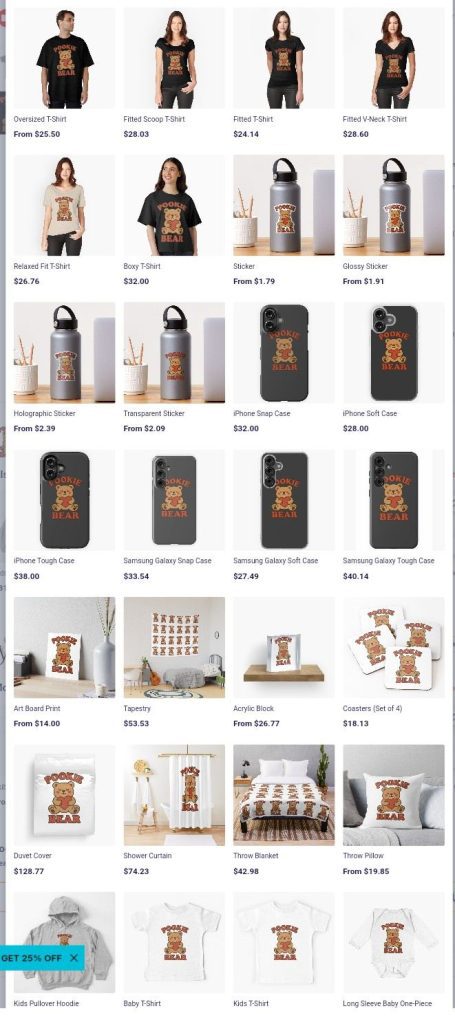
Loving these Pookie Thoughts? Now it’s time to get the look! We’ve curated a collection of cozy, stylish, and must-have items that are perfect for you or your favorite Pookie.
From comfy tank tops and hoodies to unique phone cases and home decor, you’ll find something for every type of Pookie out there.
👉 SHOP THE POOKIE COLLECTION HERE 👈
P.S. See a meaning that reminds you of someone? These items make the perfect gift!
4. The teasing or sarcastic version
Depending on how it is said, Pookie can also carry a teasing edge. In group chats and playful exchanges, it may sound like a gentle eye roll, a joking jab, or a way of poking fun without turning mean.
Fresh examples:
- “Relax, Pookie, the drama is not that serious.”
- “You really thought that plan would work, Pookie?”
Slangwise tip: if the speaker stretches the word out, adds a smirk emoji, or says it in a mock serious tone, the meaning is probably teasing rather than affectionate.
5. The you are family meaning
In some families, chosen or biological, Pookie becomes a shorthand for belonging. It says, in a friendly and informal way, that the person is part of your circle, your inner group, your people.
Fresh examples:
- “Pookie, you are stuck with us forever.”
- “Don’t worry, Pook. We handle our own.”
This use is especially common when the relationship is warm but not overly romantic. It can feel protective, loyal, and familiar all at once.
6. The meme version
On the internet, Pookie has become a meme friendly word that can be used to mock exaggerated couple behavior, over the top affection, or oddly specific internet humor. It is one of those words that can become funny just because of the way it is used in a caption.
Fresh examples:
- “Pookie ordered matching mugs for a two day talking stage.”
- “When Pookie texts back with one word and acts like that fixed everything.”
This is where slang and irony meet. People use the word to exaggerate a situation, make it funnier, or create a shared joke that everyone in the audience instantly understands.
As internet culture expert Jamie Rivers notes: “Slang like ‘Pookie’ thrives online because it’s relatable and absurd. Everyone knows a ‘Pookie’ couple.”
7. The darker, niche street slang meaning
In a few historical or subcultural contexts, Pookie has been used in ways that are far removed from sweetness. This is not the main use today, and most people will never encounter it, but it is part of the word’s wider history.
Fresh example:
- “I would not trust him, he has that old Pookie energy.”
That example is intentionally vague because the important point is not the exact phrase. It is the warning that slang can shift meaning across circles. If you do not know the speaker’s background, you should never assume the affectionate meaning automatically.
Still, this meaning is niche. In normal day to day conversation, most people are using the word in a much softer way.
8. The pop culture nod
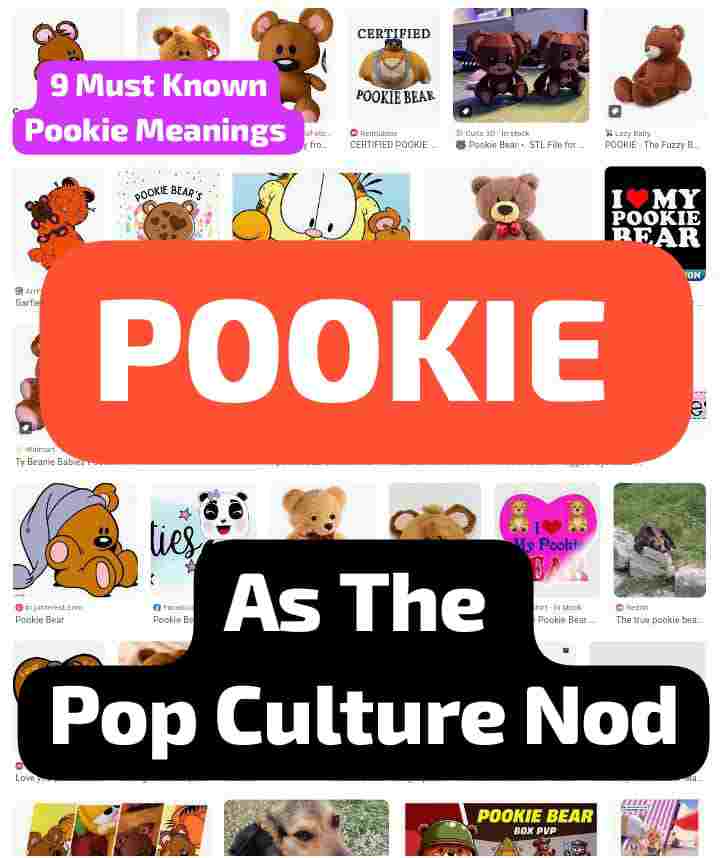
Writers and creators also use Pookie as a little pop culture wink. It can show up in character names, playful dialogue, reaction captions, or references that are meant to feel familiar and cute.
Fresh example:
- “That character is such a Pookie, all heart and no survival instinct.”
This use is less about dictionary meaning and more about vibe. The word adds instant softness or humor to whatever it touches, which is why creators like it.
In older media, the word may have felt like a nickname. In newer media, it can feel like a wink at the audience. The meaning stays light, but the function changes.
9. The comfort object nickname
One of the more charming uses of Pookie is when people apply it to a comfort object. That can be a stuffed animal, a blanket, a favorite hoodie, or any item that feels emotionally important and hard to replace.
Fresh example:
- “I cannot sleep without Pookie, and I refuse to explain myself.”
This meaning shows how language and attachment blend together. People name the things they care about because naming makes them feel alive, personal, and safe. That is a very human habit, and slang often captures it beautifully.
30 Popular Dating Slang Terms That’ll Have You Laughing, Ghosting, and Rizzing Your Way Through 2026 Love – Learn 30 dating slangs for 2026 with examples and what to do tips. Spot ghosting rizz breadcrumbing and more.
How I read Pookie in real conversations
Whenever I decode slang, I pay close attention to four things: tone, platform, relationship, and region. That is the fastest way to figure out what a word is doing in the moment. Pookie is a perfect example of why this method works.
- Tone. A gentle voice note, a heart emoji, or a soft message usually points to affection. A sarcastic tone, laugh emoji, or stretched spelling usually points to teasing.
- Platform. A private DM is often more intimate than a public comment. Public use can be more performative, ironic, or meme driven.
- Relationship. Long term partners, close friends, and family members use pet names differently from strangers or new acquaintances.
- Context history. If the word has already been used in a joke or inside joke, it probably keeps that tone unless the mood shifts.
So if someone writes, “Goodnight, Pookie ❤️”, you are probably looking at affection. But if they say, “Sure, Pookie, that plan was brilliant”, you are probably looking at sarcasm. The surrounding energy does most of the work.
Why Pookie keeps surviving online
Some words die quickly because they only work in one moment. Pookie is not one of those words. It lasts because it has several things going for it at once.
- It sounds good. The word has a soft, bouncy rhythm that makes it easy to say and easy to remember.
- It adapts well. It can be sincere, funny, affectionate, or ironic without feeling forced.
- It feels personal. Unlike ultra common pet names, it still feels a little distinctive.
- It works across generations. Older speakers may know it from media or family speech, while younger speakers use it online with fresh meaning.
- It rewards context. People enjoy decoding it, and slang that invites interpretation tends to stay interesting.
That is why I do not see Pookie disappearing anytime soon. It may shift in popularity, and the internet may exaggerate one meaning for a season, but the core appeal is strong. It is cozy language. Cozy language tends to endure.
5 cute alternatives to Pookie, and when to use them
If you like the energy of Pookie but want to switch things up, there are several alternatives that capture similar moods. The trick is choosing the one that fits the relationship and the level of sweetness you want to convey.
- Pookie Bear — This is the warmer, extra cuddly version. Use it when you want to sound especially affectionate or when the moment calls for more softness.
Example: “Come here, Pookie Bear, I made you tea.” - Sweetpea — A classic, gentle nickname with a slightly old school feel. It works nicely in family settings or with long term partners.
Example: “Sleep well, Sweetpea. I’ll call you in the morning.” - Lil Legend — Great for playful admiration. It sounds like you are teasing someone while also giving them credit.
Example: “Lil Legend actually finished the assignment early for once.” - Muffin — Silly, soft, and a little goofy in a good way. It works best in close relationships where both people enjoy cute nicknames.
Example: “Muffin, you already ate the last slice, did you not?” - Tiny Terror — Funny, affectionate, and mischievous. Use this for someone adorable who also happens to be a little chaos machine.
Example: “There goes my Tiny Terror starting drama before noon.”
My rule of thumb is simple: choose the nickname that matches the mood, the platform, and the relationship stage. A private chat gives you more room for softness. A public caption may call for irony or restraint.
How to introduce Pookie without making it awkward
Nicknames work best when they grow naturally. If you try to force Pookie too early, it can feel awkward or too familiar. The safer move is to test it gently in private, read the response, and let the other person set the pace.
Watch for the reaction. If they laugh, reply warmly, or mirror the energy, you are probably on the right track. If they seem unsure, back off and keep the tone lighter. Good slang use is never about forcing closeness. It is about matching the relationship that already exists.
That is one of the reasons I like nicknames in general. They tell you a lot about how people feel without requiring a big speech. When they land naturally, they make a conversation feel alive.
Pookie in pop culture, from old references to TikTok
Pookie has moved through different media worlds over time. A comic strip reference may have made it feel nostalgic, while social media gave it a second wind by turning it into a joke, a caption tool, and a relationship meme.
That shift matters because each medium changes the tone. In older comics or children’s media, Pookie can feel innocent and cute. In TikTok or Instagram captions, it can feel self aware, exaggerated, or deliberately adorable. The word stays the same, but the audience changes the meaning.
That is one of the reasons slang has such a long life. It is not just vocabulary. It is performance. It is identity. It is the way people signal how they want to sound in front of other people.
When Pookie goes wrong
Even cute slang can miss the mark. Pookie can sound strange if it is used with a stranger, in a formal setting, or in a situation where the other person does not share the same cultural expectations. That is why tone awareness is so important.
If the word lands badly, the best response is simple: clarify, apologize if necessary, and adjust. No slang is worth making someone uncomfortable. The goal is connection, not confusion.
That is the real expert move with slang. Not showing off. Not over explaining. Just reading the room and using the word in a way that fits the moment.
Final thought
Pookie is a tiny word with a surprisingly large cultural life. It can be tender, teasing, silly, nostalgic, or even oddly ironic depending on who says it and why. That kind of versatility is exactly why it keeps showing up.
From everything I have seen in the way slang travels, the words that last are usually the words that do more than one job. Pookie does that beautifully. It can comfort, it can joke, it can signal closeness, and it can turn a simple message into something more emotionally textured.
So the next time you see Pookie in a text, caption, comment, or meme, do not rush the meaning. Look at the tone. Look at the relationship. Look at the setting. That is how the word reveals itself.
And if you are using it yourself, use it naturally. Slang sounds best when it feels earned. That is when a word like Pookie does exactly what it was always meant to do: make language feel warmer, funnier, and more human.
Frequently Asked Questions
No. Most of the time it is harmless and affectionate, but in some niche or older contexts it can carry a very different meaning. That is why context always matters.
Absolutely. In fact, it is one of the most natural uses of the word. It sounds soft, sweet, and a little silly, which makes it perfect for cats, dogs, and other beloved pets.
Because it is flexible and funny. TikTok users like words that can be sincere in one video and ironic in another, and Pookie fits that pattern very well.
It can be. In many conversations, it sounds romantic or affectionate, but it can also be playful, teasing, or friendly when the relationship is more casual.
Table of Contents