
I’ve spent years digging into the twists and turns of everyday slang. Few words, however, carry as much cozy ambiguity and cultural cross-pollination as Pookie.
At first glance it’s a small, cuddly nickname: the sort you whisper in a late-night text; but peel back the layers and you find unexpected history, movie references, and subcultural detours that give the word real depth.
This article expands that story: history, pop-culture mileage, contemporary usage, and crucially; the nine concrete meanings that people actually use in the wild.
Table of Contents
In a nutshell
- Pookie meaning: Pookie is primarily a term of endearment: a cute, intimate nickname that signals warmth.
- Roots: It likely traces back to diminutive pet forms in German family speech from the early 1900s.
- Media boost: Jim Davis’s Garfield and several children’s TV characters prolonged the term’s visibility in English.
- Range: Pookie’s meanings can be romantic, platonic, memetic, or (rarely) street slang: context decides.
Why small nicknames matter
Before we dive into Pookie meanings specifically, it’s worth pausing to ask why nicknames matter at all.
Linguists and social psychologists argue that pet names function as social glue: they reduce interpersonal distance, index intimacy, and encode relationship history in a single, repeatable token.
A nickname does emotional work cheaply and repeatedly. That’s why so many culturally portable terms of endearment: “honey,” “babe,” “sweetie”: survive for generations Pookie fits that pattern but brings extra charm.
It sounds playful, often private, and because it’s not ubiquitous like “babe,” it carries a sense of uniqueness for the people who use it.
Pookie is just one out of the top trending and the most popular internet slang of the decade, check out the 199 others.
A Note About Pookie Bear

- What It Means: Pookie Bear fuses the cutesy vibe of “Pookie” with the comforting warmth of “Bear” to create a playful term of endearment.
- Where It Came From: Roots trace back to Garfield’s Pooky and early internet forums, later popularized on social media and in casual chats.
- How It’s Used: Found in texts, TikTok comments, and spoken nicknames, often to spark a smile, tease affectionately, or strengthen emotional bonds.
Slangwise Tip: Test it lightly, watch for a positive reaction, and use it sparingly to keep your “Pookie Bear” moments feeling fresh and genuine.
What Pookie Bear Actually Means
Pookie Bear is a cute whimsical endearment that signals affections. Hence, when someone calls you Pookie Bear, they’re basically saying, “You’re my adorable cuddle buddy, and I’m okay being a bit cheesy.”
It isn’t a formal word you’d find in a dictionary (yet!), but Urban Dictionary defines it as “a term of endearment for your significant other or child, conveying cuteness and affection.”
According to that same source, the meaning hinges less on logic and more on emotional connection (Urban Dictionary, 2024).
Actually, the combination sounds ridiculous at first, but that’s the point.
It’s supposed to make you smile and remind you that someone thinks you’re sweet… or at least cute enough to nickname you after a stuffed animal.
Examples of Pookie Bear in Action
Let me give you three real‑life scenarios so you can see exactly how it lands:
- Romantic Context
- Text: “Morning, Pookie Bear . Coffee’s on me later?”
- What it says: I’m thinking of you first thing, and yes, I’ll treat you today.
- Playful/Sarcastic Context
- Text: “Chill out, Pookie Bear, it’s just a parking ticket .”
- What it says: I know you’re overreacting, but I still care.
- Friendship Banter
- Text: “Pookie Bear, you ate the last slice of pizza?!”
- What it says: I’m mock‑angry, but you’re still my ride‑or‑die.
Show Your Pookie Bear Love in Style!

Feeling the Pookie Bear vibes? Grab our limited-edition merch, tees, hoodies, mugs, and more, designed to bring out your sweetest side. Whether it’s for you or your favorite person, now’s the time to wear your love loud and proud.
Shop now before it’s all gone: Pookie Bear
Pookie’s likely origin story: from German diminutives to everyday English
Linguistic transmission is messy. Pookie’s path into English is plausible rather than provably linear, but the strongest claim is that it evolved from German affectionate diminutives.
Variants such as Pooki or Pookchen appear in family speech in the early 1900s and mean essentially “little one” or “cuddle bug.” Waves of migration, cultural exchange, and media imports carried those sounds westward.
In the U.S., mid-20th century families and mass media were fertile ground for such affectionate lexical imports.
By the 1950s and ’60s the term was visible within certain family spheres, and by the 1970s the cultural lift-off happened: Garfield introduced a teddy bear named Pooky.
A comic strip character with that name made the sound part of millions of readers’ mental lexicons. Television and children’s programming followed, reinforcing the sense that: “Pooky” was an emblem of cuteness.
From there, kids grew up, took the nickname with them, and repurposed it across relationships and platforms.
Pop culture & media: how Pooky stayed in circulation
Pop culture doesn’t just reflect slang: it amplifies it. Jim Davis’s Pooky the teddy bear (introduced in Garfield in 1978) is a great example: a single recurring character can turn a niche family pet name into a widely recognized referent.
Similarly, children’s shows that used “Pookie”-style characters reinforced the term’s association with cuteness and playfulness.
By the early 2000s, Pookie had made the jump to the web. Urban Dictionary entries, fan art, and meme formats continued the cycle of reuse.
The word’s adaptability kept it alive: it could be earnest, silly, ironic, and – rarely – edged with darker connotations depending on subcultural use. Media provided the platform; real social interaction did the rest.
Pookie Meaning: Gen Zs and Gen Alphas Usage
The 2020s gave us a digital environment that loves small, flexible tokens of identity. Gen Z and Gen Alpha communities often prefer words that can function on multiple registers: sincere, ironic, or performative. Pookie fits neatly into this toolkit.
You’ll see it in captions, comments, and short videos:
- Between partners: “Good morning, pookie. Coffee’s on me.”
- Among friends: “You got my back, pookie, always appreciate you.”
- For pets: “My pookie’s favorite snack is cheese.”
Because the word is not dominant in mainstream media, using it also signals a kind of personal lexicon, something chosen rather than massified. That rarity gives it charm: when someone calls you Pookie, it often feels deliberate.
Linguists studying intimacy in language emphasize that such nicknames endure because they carry personal history as well as phonetic appeal. In short: Pookie endures because it feels intimate and because it’s fun to say.
When Pookie means something else
Slang is never monolithic. In some historical pockets, Pookie picked up different, less charming meanings.
In certain communities in the U.S. during the 1980s and 1990s, the term became associated with drug culture: a slang reference to a crack pipe in some reports.
That sense is rare and contextually constrained, but it demonstrates a general truth: context decides meaning.
Regional variants also exist. In parts of the Caribbean, for instance, Pookie can be a mischievous friend; in parts of Ireland, it sometimes echoes older local words like “pook,” meaning a sprite or imp.
These regional detours are interesting reminders that nicknames migrate and mutate.
Curious how people REALLY describe an attractive female today? This list of 18 trending slang words will blow your mind.”
9 pookie meanings With relevant examples
1. The Classic Term of Endearment
Let’s start with the obvious: Pookie is the new “babe” or “honey.” Think of it as a verbal hug. Partners, close friends, or even parents might use it to sprinkle a litle sweetness into conversations.
Example:
- “Goodnight, Pookie! Dream of me 😉”
- “Pookie, you’re the only one who gets my weird pizza toppings.”
Dr. Elena Martinez, a linguist who studies intimacy in language, puts it perfectly: “Nicknames like ‘Pookie Bear’ act as social glue.
They signal closeness without needing grand gestures.” So if your crush drops a “Pookie,” take it as a green light.
2. The Playful Buddy Nickname
Not all “Pookies” are lovey-dovey. Sometimes, it’s just your friend’s way of saying, “You’re my weirdo, and I’m keeping you.” It’s cheeky, lighthearted, and zero percent romantic.
Example:
- “Pookie, you actually wore socks with sandals? Legend.”
- “Pass the chips, Pook. Don’t make me beg.”
This vibe thrives in groups where roasting = love. If they laugh while calling you Pookie, they’re just hyping up the banter.
130+ GEN ALPHA SLANG LEXICON
🚨 If “Pookie” left you raising an eyebrow, just wait until you see the wild slang Gen Alpha is inventing right now. Their language makes TikTok captions look like ancient history.
📘 Grab your copy of Gen Alpha Slang Lexicon: A Friendly Guide to 130+ Modern Teens Talk – 130+ slang terms decoded with clear meanings, real examples, and context you won’t find anywhere else.
3. The Pet Name (Literally)
Dogs, cats, guinea pigs, you name it. “Pookie” is a go-to for pets because it’s silly, sing-songy, and impossible to say without smiling.
Example:
- “Who’s Mommy’s little Pookie? YOU ARE!”
- “Pookie, get your fuzzy butt off the couch!”
Fun fact: A 2021 survey by PetLovers Magazine found that 1 in 10 pet owners use food-inspired or nonsense nicknames (like Pookie) daily.
Guilty as charged, my cat’s legal name is Sir Fluff, but 90% of the time, he’s “Pook.”
🛍️ Shop the Pookie Vibe!!
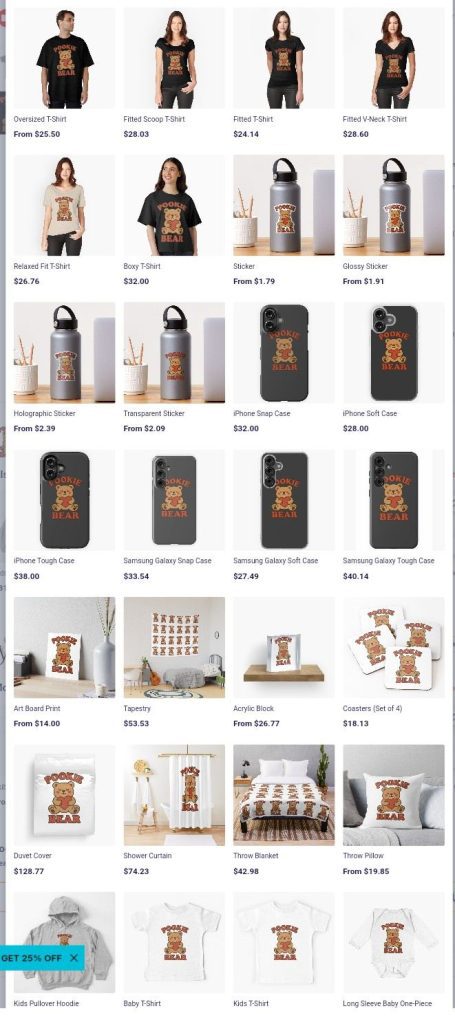
Loving these Pookie Thoughts? Now it’s time to get the look! We’ve curated a collection of cozy, stylish, and must-have items that are perfect for you or your favorite Pookie.
From comfy tank tops and hoodies to unique phone cases and home decor, you’ll find something for every type of Pookie out there.
👉 SHOP THE POOKIE COLLECTION HERE 👈
P.S. See a meaning that reminds you of someone? These items make the perfect gift!
4. The Side-Eye Sarcasm
Here’s where tone matters. “Pookie” can be a playful jab at someone being dramatic, clingy, or extra. It’s the verbal equivalent of an eye-roll, but friendlier.
Example:
- “Oh, Pookie’s mad I didn’t ‘heart’ their selfie? My bad, princess.”
- “Cool it, Pook. We’re buying toothpaste, not negotiating peace treaties.”
Slangwise tip: If they drag out the word (“Poooookie…”) or pair it with a smirk, they’re 100% teasing.
5. The “You’re Family” Card
Blood-related or chosen family, “Pookie” can mean “you’re my person.” I call my niece Pookie because, well, she’s my tiny chaos bestie.
Example:
- “Pookie, you’re stuck with me, even when you’re 40.”
- “Thanks for always listening, Pook. You’re a gem.”
6. The Meme Legend
If you’ve scrolled TikTok or Instagram lately, you’ve seen #Pookie mocking over-the-top couples. It’s satire gold, poking fun at people who treat relationships like a rom-com audition.
Example:
- A meme caption: “When Pookie buys matching snorkels for our first date…”
- A viral video of someone lip-syncing: “Me waiting for Pookie to text ‘u up?’ at 2 a.m.”
As internet culture expert Jamie Rivers notes: “Slang like ‘Pookie’ thrives online because it’s relatable and absurd. Everyone knows a ‘Pookie’ couple.”
7. The Dark Horse (Not So Cute)
Okay, full transparency: In rare cases, “Pookie” ain’t cute. In 90s hip-hop circles, it sometimes referred to someone involved in shady stuff.
For instance, if you’ve seen the film – New Jack City, you’d notice character Pookie struggles with addiction, a gritty twist on the name.
Example:
- “Yo, don’t trust him, he’s Pookie’s cousin.” (Translation: He’s trouble.)
But relax, this meaning’s niche. Unless you’re deep into vintage street slang, you’ll probably never hear it.
8. The Pop Culture Nod
Shout-out to all the fictional Pookies! From comics to cartoons, writers love this name for quirky sidekicks.
For instance, in the Garfield comics, Nermal (the “world’s cutest kitten”) sometimes gets called Pookie as a gag.
Example:
- “That guy’s such a Pookie, total comic relief!”
It’s a sneaky way to call someone adorably ridiculous.
9. The Comfort Object Code
Last but not least: Pookie as a security blanket. I’ve heard folks use it for stuffed animals, childhood toys, or that raggedy hoodie you’ve had since high school.
Example:
- “I can’t sleep without Pookie. Yes, I’m 28. No, I don’t care.”
According to a study in Psychology Today, 34% of adults admit to having a comfort object, and nicknaming them (hi, Pookie!) is super common.
30 Popular Dating Slang Terms That’ll Have You Laughing, Ghosting, and Rizzing Your Way Through 2026 Love – Learn 30 dating slangs for 2026 with examples and what to do tips. Spot ghosting rizz breadcrumbing and more.
How to decode Pookie meaning like a pro
If the nine meanings above map the territory, this section gives you a practical compass. Context is king, and several factors reliably shift how Pookie is meant:
- Tone and delivery. A soft voice note, late-night DM, or heart emoji tilts toward affection. A smirk emoji, exaggerated punctuation, or group chat setting usually signals teasing.
- Platform. Private messages (text/iMessage/DMs) lean personal; public captions and TikTok comments tend to be performative or memetic.
- Relationship stage. People who are newly dating are less likely to deploy deep pet names early on. If you’re unsure, default to clarifying language.
- Cultural or regional markers. If the speaker is from a place or subculture where Pookie had different historical meaning, that may alter interpretation (though that’s rare).
A practical cheat sheet:
- Romantic? Soft tone + cuddly emojis = they’re into you. Try a gentle response that matches warmth.
- Joking? Sarcastic smirk + group chat = just vibes. Respond playfully, or roast back as appropriate.
- Memey? Hashtags, exaggerated texts, or a short video = satire. Lean into the joke.
- Risky/ambiguous? If you suspect niche or historical slang meaning, avoid assuming affection — ask or steer the conversation to clarity.
When in doubt, a short clarifying line works wonders: “Hey, Pookie — are you using that like ‘babe’ or more like ‘silly’?” It’s conversational, non-confrontational, and preserves rapport.
Why Pookie keeps showing up (and where it might go next)
Three forces explain Pookie’s longevity and hint at its future trajectory:
- Phonetic appeal. Repeating vowel sounds and a soft consonant make the word pleasant to say, and pleasant words get reused.
- Media & nostalgia. A comic strip teddy bear, children’s TV characters, and social media cycles keep the term visible across generations.
- Flexible intimacy. Pookie’s ambiguity gives it performative value; it can be earnest or ironic, which matches contemporary online identities.
Looking forward, a few plausible directions emerge:
- Continued niche persistence. Pookie may remain a personal nickname for families, couples, and pet owners without becoming globally dominant.
- Meme cycles. A viral moment — an influencer, song, or video trend — could temporarily spike its visibility.
- Semantic narrowing or broadening. Either the romantic sense might become more dominant or the memetic, ironic sense could overtake it in certain circles.
Either way, the word will likely survive because it does emotional micro-work that other words can’t: it compresses tenderness, play, and identity into two syllables.
5 Cute Alternatives to Pookie (and When to Use Them)
If you like the vibe of Pookie but want fresh options for different moods and relationships, here are five alternatives that cover tenderness, playfulness, and irony — plus quick notes on when each fits best.
- Pookie Bear — (Extra-cuddly, upgrade for big feelings)
Use this when you want the full cozy effect: apologies, celebrations, or when you want to signal extra closeness. It reads warmer and slightly more sentimental than plain “Pookie.”
Example: “I’m sorry, Pookie Bear. Let me make it up to you with tacos.” - Sweetpea — (Classic, gentle, family-friendly)
A traditional pet name with soft vintage energy. Works in family texts, between long-term partners, or when you want something affectionate but not kitschy.
Example: “Goodnight, Sweetpea: see you in the morning.” - Lil’ Legend — (Playful, ironic, for banter)
Great when teasing meets admiration. Use this among friends or in playful DMs when you want to roast gently while still giving props.
Example: “Lil’ Legend showed up with snacks; hero move.” - Muffin / Muffin Top — (Silly and intimate)
Cute with a wink: perfect for inside jokes or couples who enjoy goofy, food-based nicknames. Avoid in early-stage relationships (unless you’ve agreed on silliness).
Example: “Muffin, you finished the playlist? Bless.” - Tiny Terror — (Affectionate + mischievous)
For that friend or kid who’s adorable but always stirring things up. It’s loving, slightly dramatic, and excellent for chosen-family dynamics.
Example: “There goes my Tiny Terror, starting the karaoke already.”
How to pick: pick the one that matches tone (serious vs. joking), the platform (private DM vs. public caption), and the relationship stage (new crush vs. lifelong friend). If unsure, test it lightly: a single playful message will tell you if it lands.
How to Introduce Pookie Without Awkwardness
Introducing a nickname like Pookie requires tact. Start slowly in private messages, mirror the other person’s tone, and avoid pressing it into public posts early.
Watch their reactions and switch to a gentler term if they seem uncomfortable. Remember nicknames are earned, not assumed; patience keeps the intimacy authentic and prevents awkwardness while preserving the playful charm that makes Pookie delightful.
Give space; let affection grow naturally, don’t rush ever.
Pookie in Pop Culture: From Comics to TikTok
From comic strips to viral videos, Pookie has hopped platforms and generations. Its appearance in Garfield cemented childhood associations, while TikTok revived the word with irony and memes.
Study examples across media to see how tone shifts meaning: newspaper comics suggest nostalgia; short-form social clips favor satire.
Understanding these contexts helps creators use Pookie knowingly, whether for warmth, parody, or brand-friendly nostalgia. Track how audiences respond before committing to usage.
When Pookie Goes Wrong: Avoiding Missteps
Not every Pookie lands well; cultural context and timing matter. Avoid deploying it in formal conversations, with strangers, or across cultures where meanings differ. Watch for signs of discomfort and apologize quickly if it misfires.
When Pookie gets mistaken for mockery, withdraw gracefully and clarify your intent. Good humor and humility will usually repair any slips, keeping relationships intact while preserving playful rapport. Listen, learn, and adjust to maintain trust.
Final thought
Pookie is a small word with a surprisingly large life. It moves between tenderness and satire, between bedtime whispers and TikTok roasts, and occasionally, into shadows of older street slang.
That variability is what gives Pookie its cultural traction: it’s portable, emotionally freighted, and oddly specific.
The preserved nine meanings above capture the real ways people use the word today. Use this guide as a decoding tool: listen for tone, consider platform, and when all else fails, ask a gentle question.
Slang works best when it’s mutual; the moment you both share the same meaning, the word does its job.
If you start using Pookie, do it in a way that feels authentic. Slang that’s forced sounds forced.
But when it lands naturally; whispered in a voice note, captioned on an inside joke, or used to call a cat off a couch: it carries warmth that few other single words do.
Frequently Asked Questions
Pookie is a term of endearment, often used as a cute nickname for a partner, child, or pet. It can also refer to fictional characters (e.g., a children’s book rabbit or a movie character) or cultural references like songs or memes.
Yes! It’s commonly used affectionately between couples, akin to “sweetheart” or “honey.”
In the 1991 crime film New Jack City, Pookie is a drug-addicted character played by Chris Rock. His tragic arc highlights the impact of addiction and violence.
The term’s versatility stems from its phonetic cuteness, making it adaptable across cultures, media, and personal relationships.
Pookie” is the base, casual pet name; “Pookie Bear” amplifies the tenderness. Think of “Pookie” as a smile and “Pookie Bear” as a warm hug; use the latter for bigger emotions, apologies, or milestone moments
Absolutely. Nicknames aren’t literal:they’re affectionate labels. If it makes you smile and your pet responds (or you enjoy saying it), it’s a good fit regardless of size.